
Last updated September 20, 2026
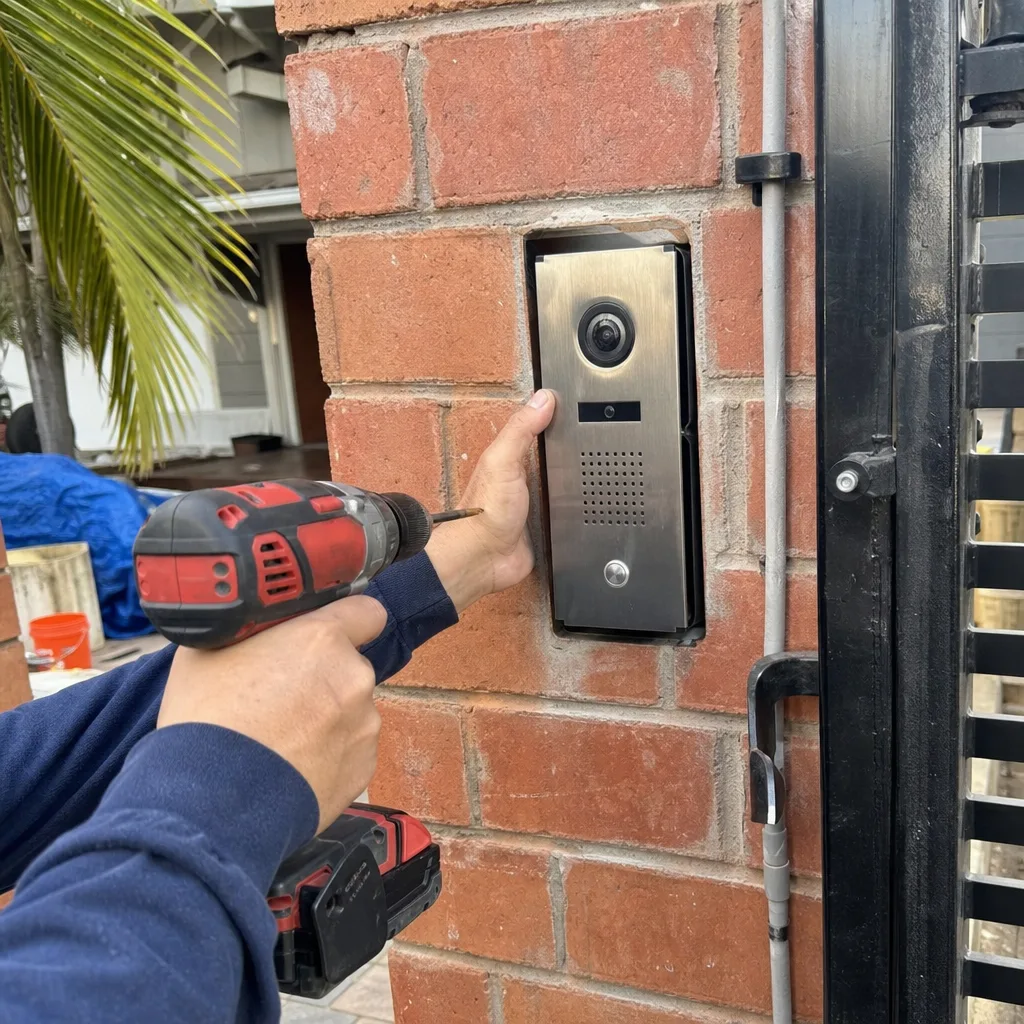
Free on-site gate assessment - hinges, posts, and your LiftMaster or Nice gate operator checked before anything is quoted
The assessment is free and the quote is the invoice.

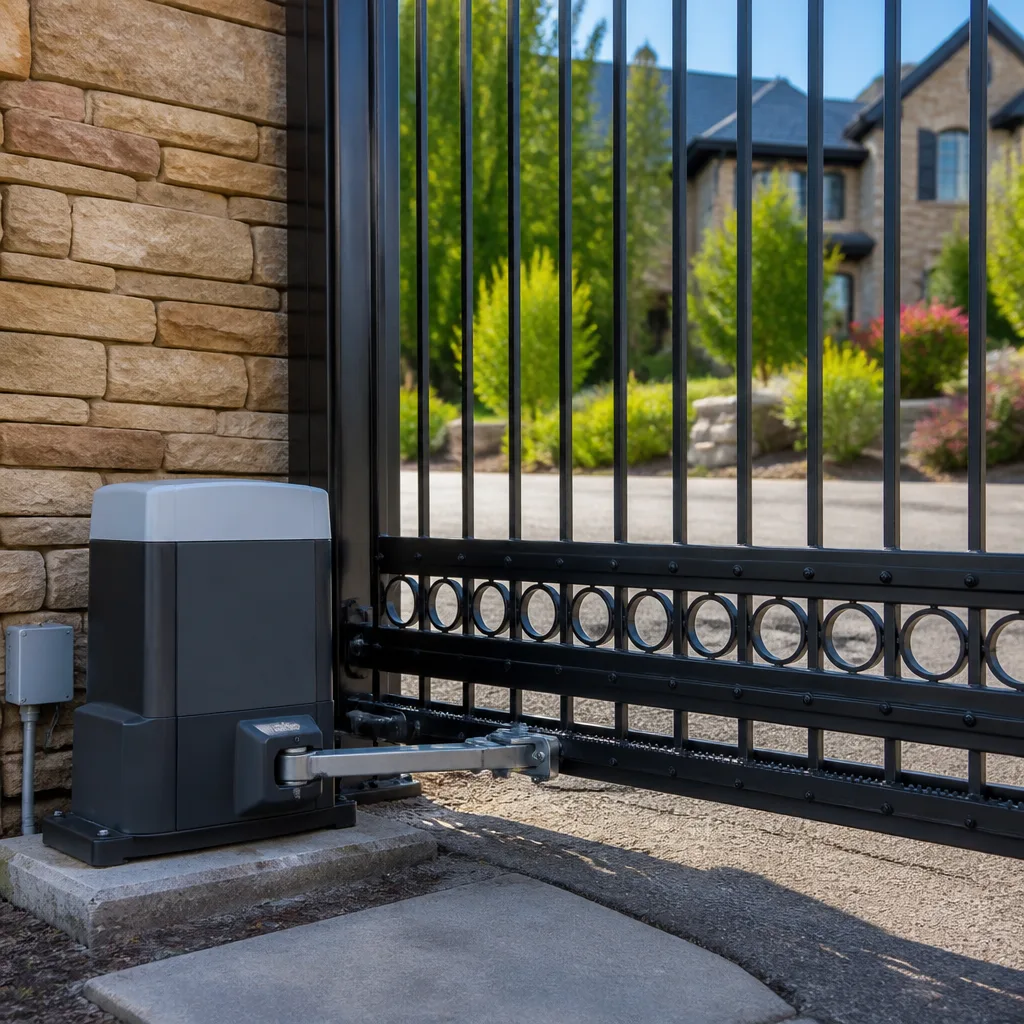
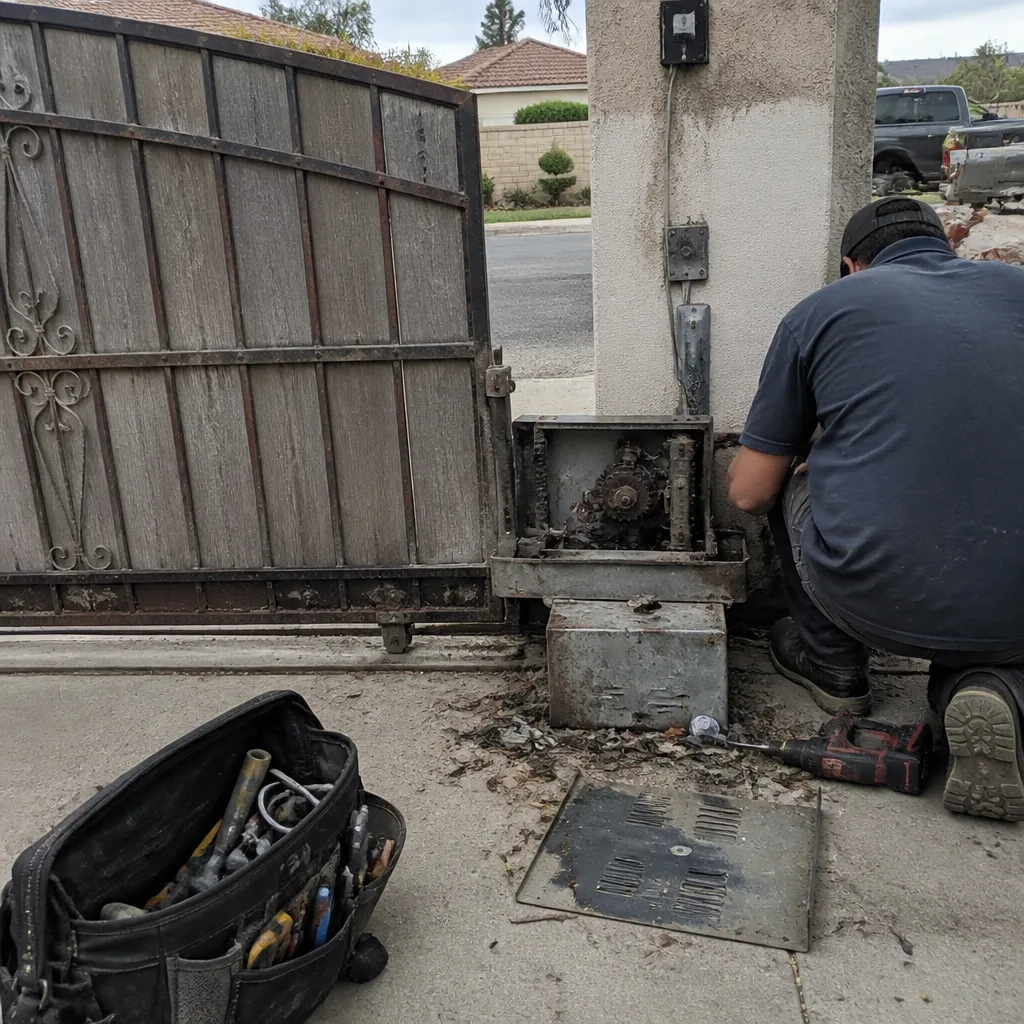 Before
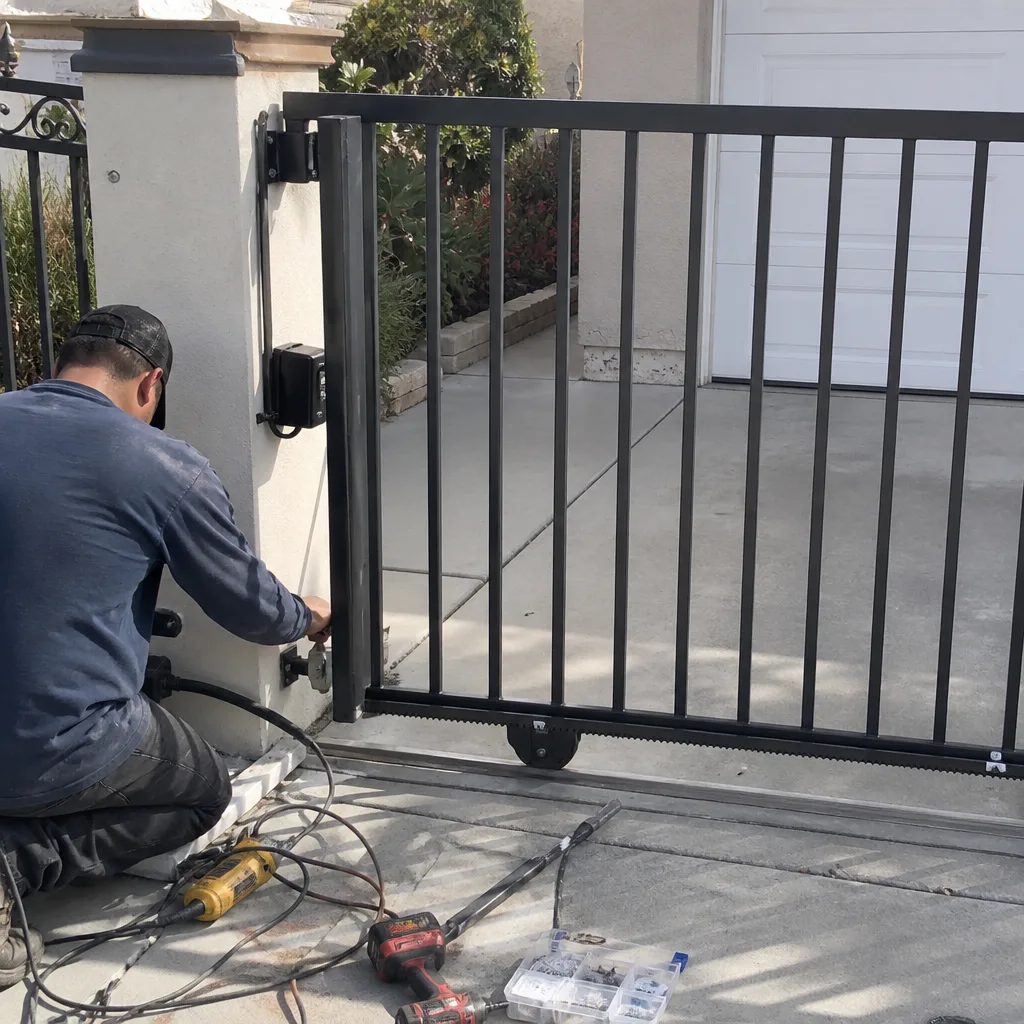 After
After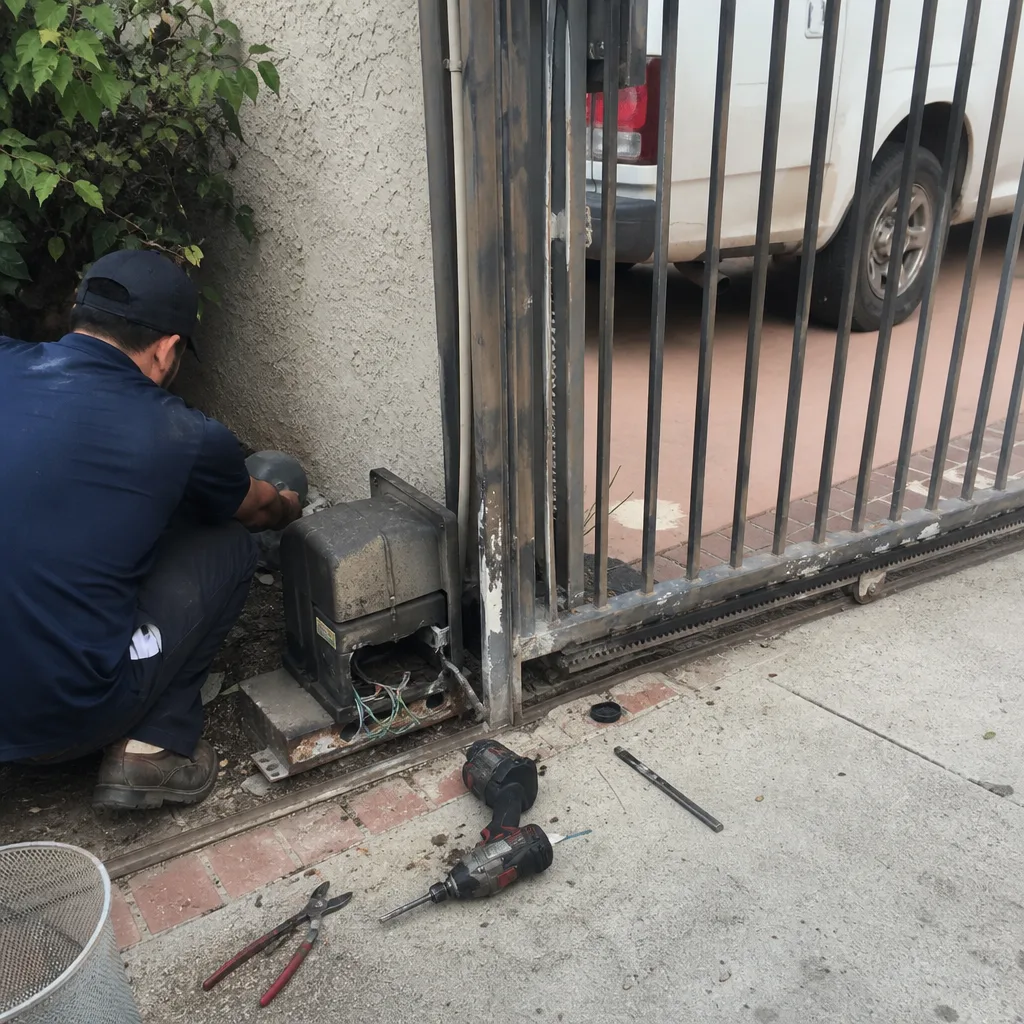 Before
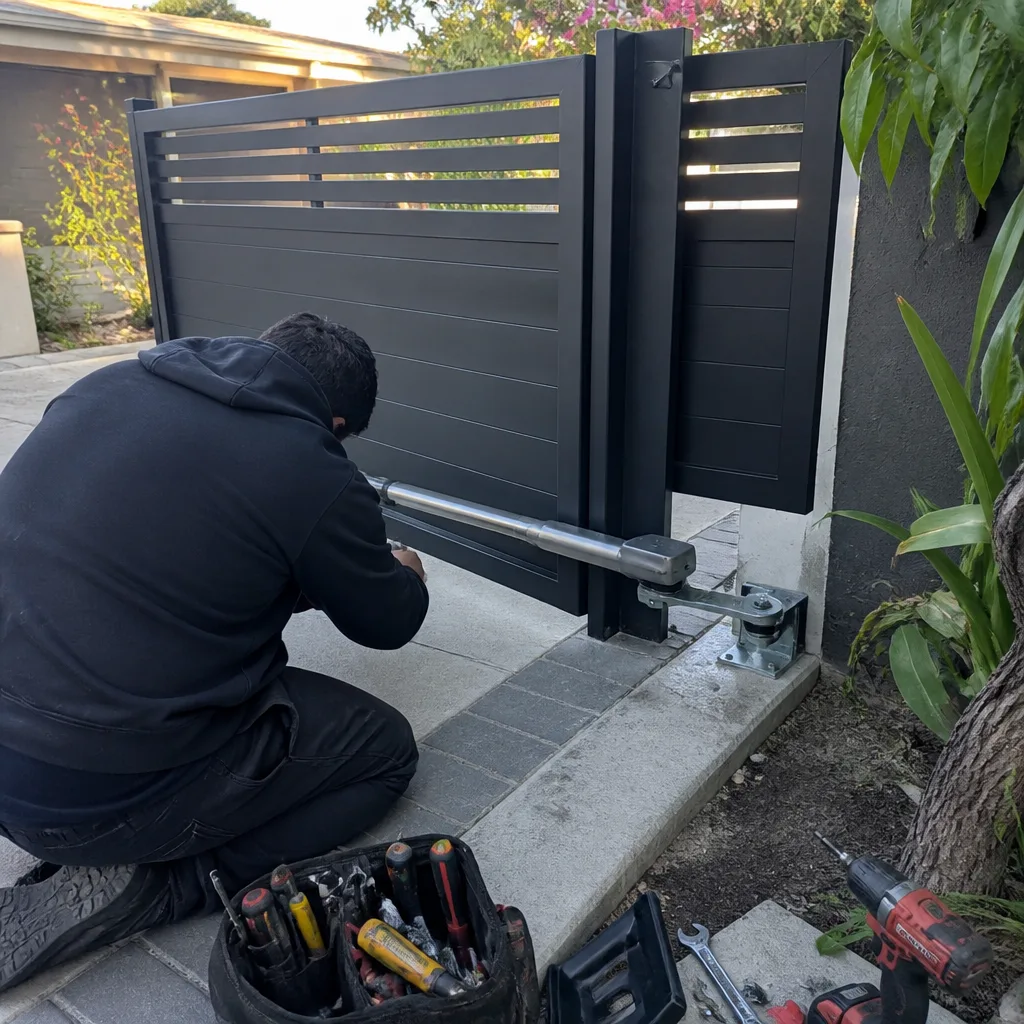 After
After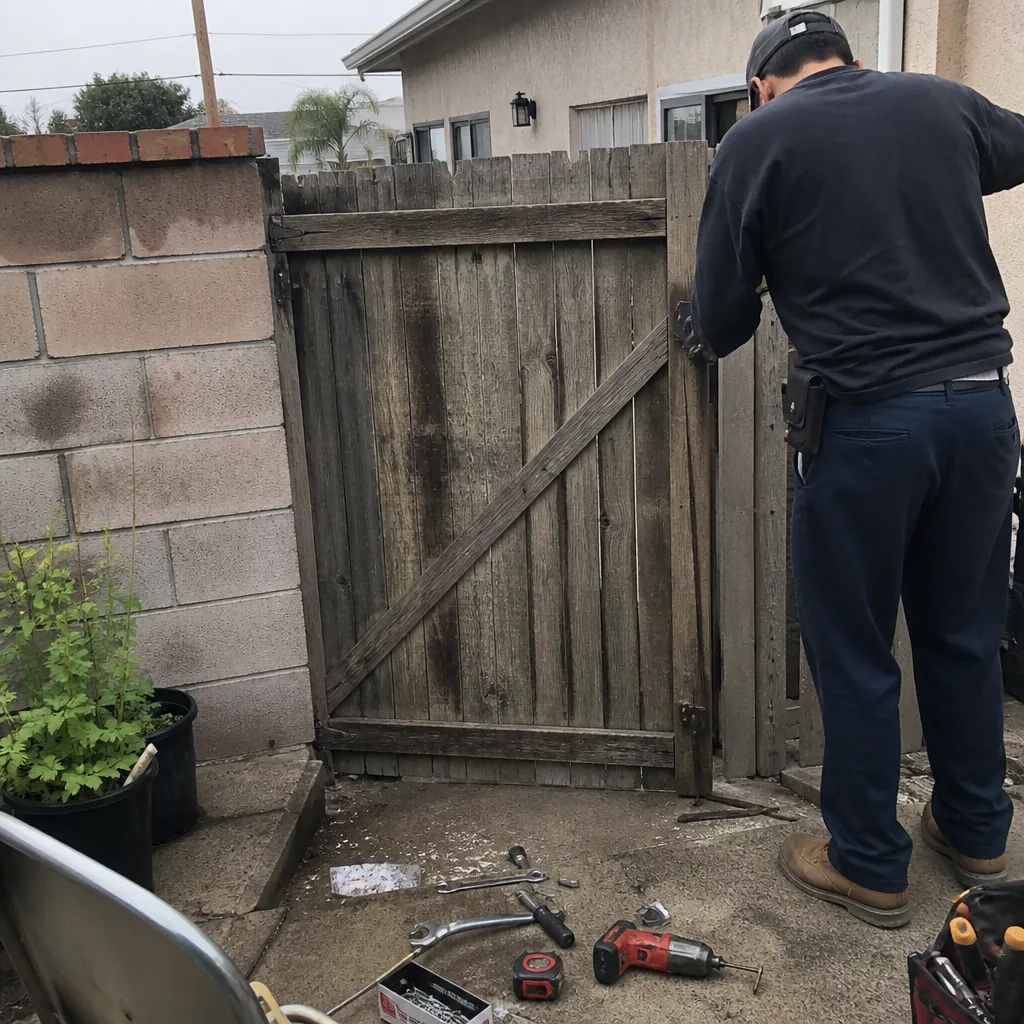 Before
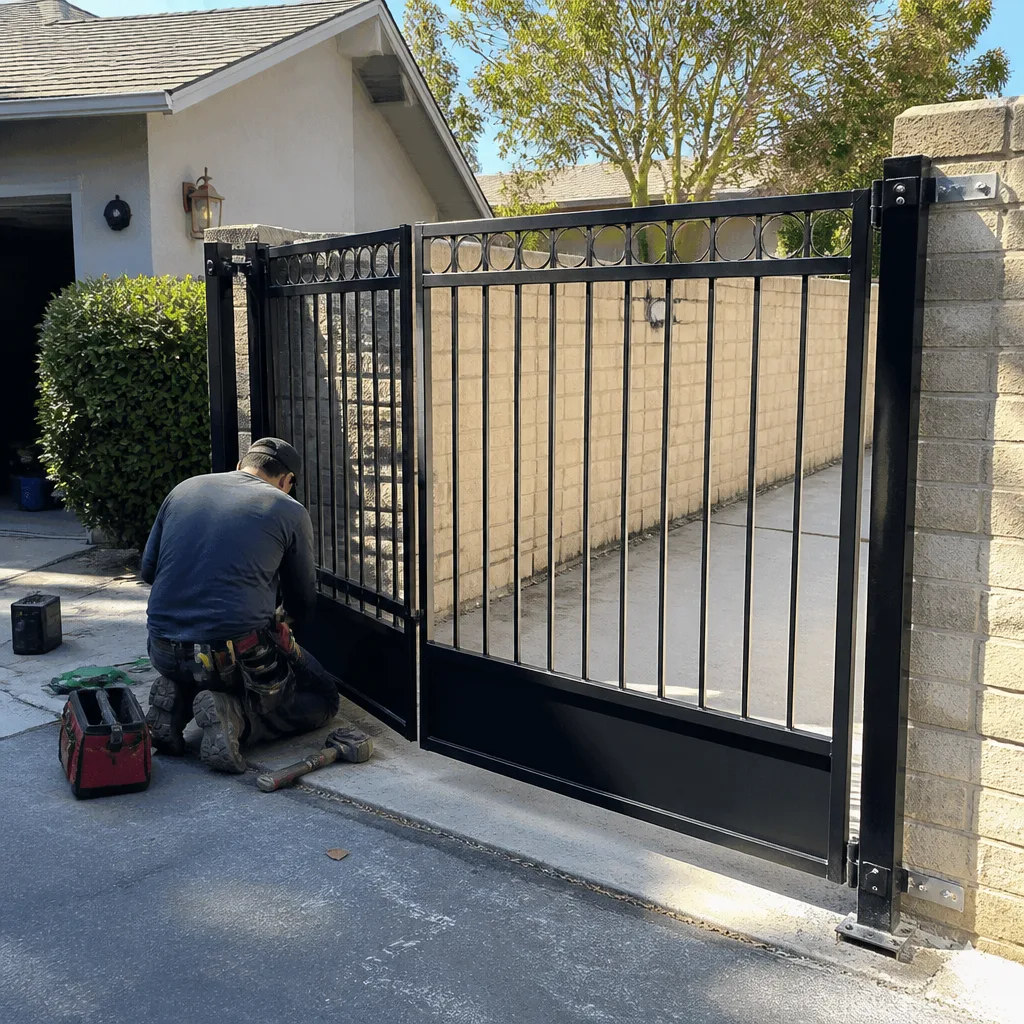 After
AfterSeasonal Gate Repair Care for Torrance: Year-Round Homeowner’s Guide
Torrance doesn’t have four seasons the way most of the country understands them. What it has, from a gate hardware perspective, is three distinct stress cycles that repeat every year with almost mechanical predictability: the June Gloom moisture soak, the late-summer heat spike, and the Santa Ana dry-wind assault. Each one attacks a different part of your gate system, and each one creates failures that look identical to the homeowner but have completely different root causes. This guide walks through what actually happens to gate components in Torrance’s specific microclimate, month by month, and what you can do about it before a gate stops opening at 7 a.m. on a workday. For a deeper dive, see The Complete Guide to Gate Repair in Torrance.
Quick Answer
Seasonal gate care in Torrance means three targeted inspections per year: one in May before the June Gloom moisture sets in, one in August before the late-summer heat peak, and one in October before Santa Ana winds and the first rain. The most common seasonal failures we see are corroded terminal connections from marine layer humidity, sun-damaged capacitor and seal degradation from heat, and gate alignment drift from Santa Ana wind loading. Each seasonal check takes about 30 minutes, and most of what breaks could have been caught early.
Table of Contents
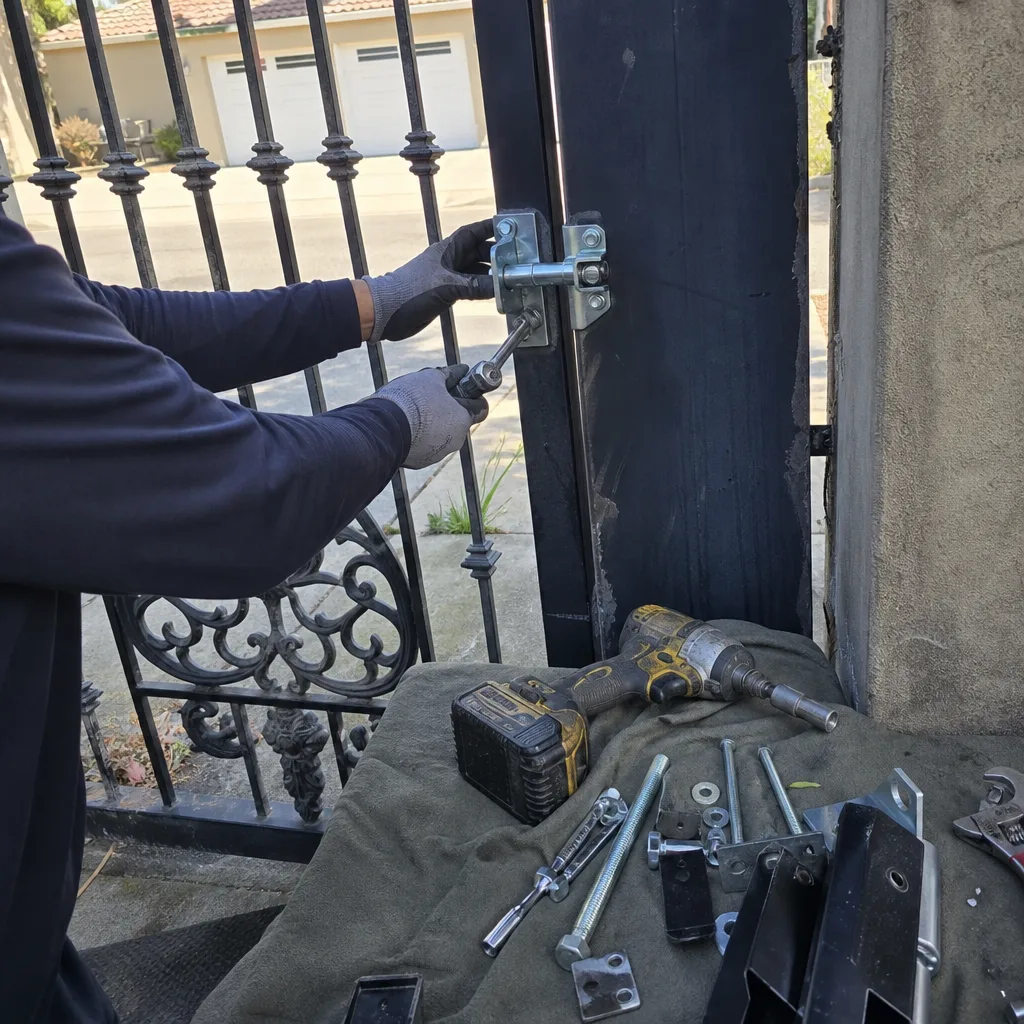
- June Gloom: What Torrance’s Marine Layer Does to Gate Electronics
- Late-Summer Heat: The Season of Capacitor and Seal Failures
- Santa Ana Winds: Why Your Gate Binds in October
- Month-by-Month Gate Care Calendar for Torrance Homes
- The Pre-El Niño Checklist for Torrance Gates
- The Gate Log: Documenting Seasonal Changes Year Over Year
- Common Mistakes to Avoid
- When to Call a Professional
- Frequently Asked Questions
- The Bottom Line
BeforeAfterJune Gloom: What Torrance’s Marine Layer Does to Gate Electronics
If you’ve lived in Torrance for more than one summer, you know the pattern. Starting in late May and running through July, the marine layer rolls in overnight and doesn’t burn off until midday. The relative humidity at ground level stays above 80% for hours at a time, sometimes for consecutive days. For a steel gate, that’s manageable. For the electronics bolted to that gate, it’s a slow corrosion bath.
The component that fails most often during June Gloom is the control board terminal strip. Every connection point where a low-voltage wire meets a screw terminal is a junction of two slightly different metals. Add sustained moisture, and you get electrolytic corrosion: a green crust that forms on the copper, increases resistance, and eventually causes intermittent faults. The gate will open fine one day, refuse to respond the next, and work again the day after.
The second June Gloom casualty is the photo-eye lens. These are the infrared sensors mounted low on the gate posts, one on each side, that stop the gate if anything crosses the path. Under persistent moisture, a fine film of condensation and airborne salt residue accumulates on the lens. Once that film reaches a certain thickness, the beam scatters, and the sensor reads it as an obstruction. The gate either refuses to close or reverses mid-travel. To the homeowner, it looks like a motor problem. Most of the time, it’s a dirty lens.
The one check that prevents most June Gloom failures:
- Open the control box (the metal enclosure mounted near the gate or motor) after a stretch of marine layer days.
- Look at the terminal strip. If you see white or green residue on any connection, that joint is starting to corrode.
- Wipe the photo-eye lenses with a dry microfiber cloth. Do not use glass cleaner. Chemicals leave a film that attracts moisture.
- Close the box and confirm the seal is still intact. A control box with a perished gasket will collect condensation even in mild weather.
In our experience across Torrance neighborhoods like Southwood, Seaside Ranchos, and Walteria, the homes closest to the coast see this corrosion cycle start 3-4 weeks earlier than homes north of Sepulveda. The distance from open water matters more than people expect. A home on Paseo de las Tortugas gets noticeably more salt exposure than one near Calle Mayor.
If you’re already seeing intermittent gate behavior in May or June, we cover the diagnostic process in detail on our Gate Repair in Torrance page. Most June Gloom electrical faults are fixable without motor replacement when they’re caught before the corrosion eats through the terminal.
Late-Summer Heat: The Season of Capacitor and Seal Failures
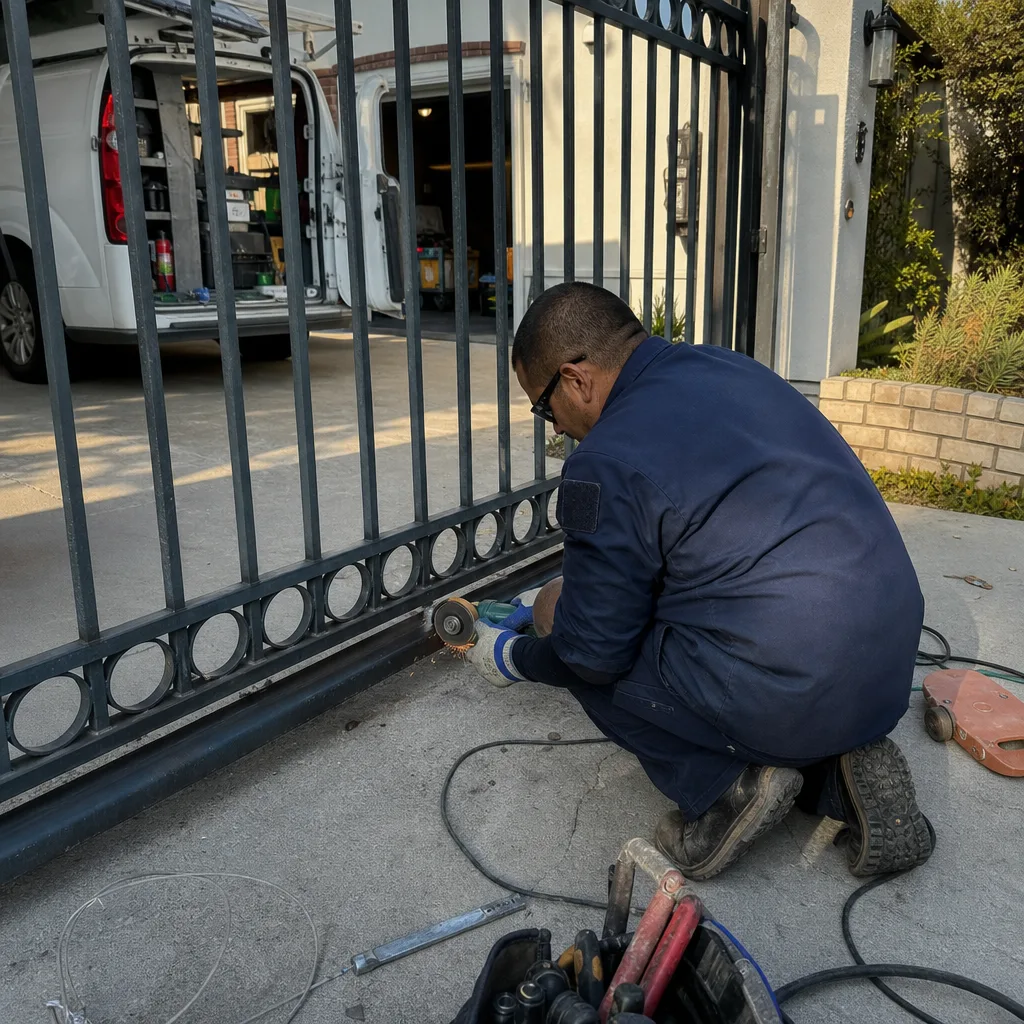
August and September in Torrance are not Death Valley hot, but they’re hot enough. Sustained afternoon temperatures in the mid-80s to low-90s, combined with direct sun exposure on a metal gate, translate to surface temperatures well above 120°F. That’s the range where two specific components start to age faster than any other time of year: electrolytic capacitors on control boards and rubber seal components on gate hinges, wheels, and motor housings.
Capacitors are chemical components. The electrolyte inside them degrades with heat, and the degradation rate is exponential: every 18°F increase in operating temperature roughly halves the capacitor’s service life. A control board mounted inside a sun-facing steel enclosure in a Torrance driveway can run at 130-140°F internally on an August afternoon, even when the air temperature is only 85°F. That’s why we see a cluster of control board failures in September and early October that have nothing to do with rain and everything to do with accumulated heat exposure.
The failure signature is predictable. The gate motor hums but doesn’t start. Or the opener works intermittently for a week, then quits entirely. Or the gate opens but won’t close until the afternoon cools down. All three point to capacitor degradation.
Rubber seals are the other August casualty. The rubber boots on limit switches, the weatherstripping around the control box, and the seal around the motor’s gear housing all dry out and crack under repeated heat cycling. Once a seal cracks, moisture has a path in, and the first significant rain of the season finds it.
What to check during the August-September heat window:
- Run the gate to full open and full close on a hot afternoon. If it’s slower than it was in June, or if the motor sounds labored, the heat is already affecting something.
- Look at every rubber seal you can see. Cracks, brittleness, or a chalky residue on the surface means the rubber is thermally aged.
- Feel the control box surface on the sun-facing side. If it’s too hot to hold your hand on for five seconds, the components inside are running in a thermal environment that shortens their life.
- Listen to the motor. A capacitor in early failure makes a distinct low hum before the motor engages. If you hear a hum-then-start pattern, make a note of it.
For homes in Torrance’s eastern avenues where afternoon sun hits the gate directly for hours, heat stress is a bigger factor than for homes that get afternoon shade from mature eucalyptus or the slope of the Palos Verdes foothills. Microclimate matters, and two gates half a mile apart in northeast Torrance can have completely different thermal profiles.
If your opener is reaching the end of its service life and heat is accelerating the decline, our Gate Motor & Opener in Torrance page details what motor replacement costs and what options exist for heat-hardened installations. We service the major automation brands including LiftMaster, FAAC, Elite, and Mighty Mule, so the question is rarely whether the existing motor can be maintained, but whether the installation conditions are working against it.
Santa Ana Winds: Why Your Gate Binds in October
Every October, the Santa Anas arrive. Hot, dry, and sustained, they blow in from the northeast and do two things to an automatic gate system. First, they push physical load into the gate leaf. A 40-mph gust against a solid 14-foot steel gate exerts hundreds of pounds of lateral force at the leading edge. That force transmits through the gate frame into the hinges and the motor coupling.
Second, the extreme dryness (single-digit humidity for days at a time) pulls moisture out of wooden gate components and causes differential expansion between metal hardware and wood frames. Wood shrinks. Metal doesn’t. Screws that were tight in September loosen, hinge bolts back off, and the gate’s geometry drifts.
The result is a gate that tracked perfectly in June and binds in October. It catches on the latch plate, scrapes the ground, or creaks at the hinge. The motor strains harder against the added friction, draws more current, and if left unaddressed through the windy season, can burn out the motor or shear the coupling.
How to spot Santa Ana alignment drift:
- Stand at the hinge end and sight down the top edge of the gate. If the top rail is not a straight line from hinge to latch, the gate has sagged or twisted.
- Watch the gap between the gate leaf and the latch post as the gate closes. If the gap narrows as it approaches the post, the gate has shifted.
- Open the gate halfway and try to wiggle the leaf by hand at the leading edge. If you feel play, the hinge pins are loose.
- Check the ground clearance at full open and full closed. A gate that scrapes only at one end of travel has a wheel or hinge problem, not a motor problem.
Santa Ana damage compounds. A gate that’s slightly out of alignment in October gets wrenched further with every wind event, and by December it’s chewing through wheels and stressing the motor. The fix is usually straightforward if caught early: re-square the gate, tighten the hinges, adjust the ground wheel, reset the limit switches. Left alone, the same problem becomes a motor replacement.
This is where a photographic record matters. When we service a gate in Torrance, we leave a documented photo log showing exactly how the gate was set: limit switch positions, hinge condition, ground clearance measurements. Six months later, when the Santa Anas have done their work, that record shows us exactly what changed and by how much. The Gate Installation in Torrance page covers what goes into setting a gate up correctly the first time, but the same documentation habit applies to seasonal adjustments.
Month-by-Month Gate Care Calendar for Torrance Homes
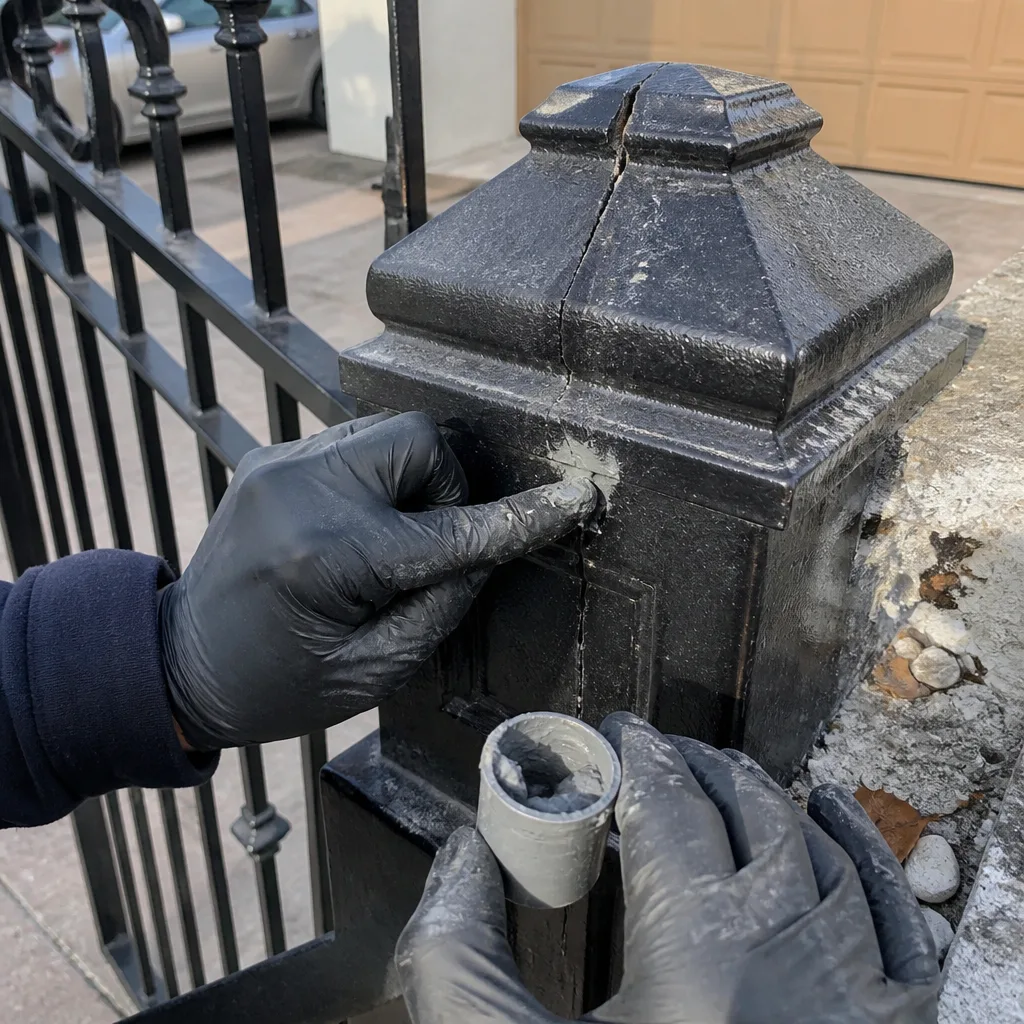
Rather than thinking about four seasons, think about the Torrance gate year in three stress windows and what to do in the weeks before each one arrives.
January-February: The Rainy Season (When It Comes)
Torrance’s rain is concentrated, not constant. When it arrives, often tied to El Niño or atmospheric river patterns, it arrives at once. A gate that’s been fine all year suddenly sits in standing water, and every compromised seal gets tested. Watch for condensation inside the control box after heavy rain and check that the drain hole at the bottom of the motor housing is clear. If your gate area pools water after storms, address drainage before the next system moves through.
March-April: Recovery and Inspection
This is the calm window. Temperatures are moderate, the marine layer is intermittent, and the Santa Anas are months away. It’s the best time for a full inspection: hinges, wheels, seals, terminals, motor, and operator. Catch problems now and you have months of cooperative weather to fix them.
May: Pre-June Gloom Prep
Before the marine layer sets in, do the electrical inspection. Clean every terminal connection, verify the control box seal, and wipe the photo-eye lenses. If you do this once in May, you’ll prevent most June and July call-outs.
June-July: Marine Layer Vigilance
Watch for intermittent gate behavior. If the gate fails in the morning and works in the afternoon, or fails after a foggy night and works after a sunny day, the problem is moisture-related. Document what happens and when. The pattern tells you which component is affected.
August-September: Heat Watch
Note any slowing of the gate, change in motor sound, or occasional failure to start. These are capacitor and thermal stress indicators. Inspect all rubber seals for cracking. The seal that looks fine in June can be visibly degraded by September.
October-November: Santa Ana Alignment Check
After the first significant wind event, do the alignment check described in the Santa Ana section. Check hinge bolts and ground wheels. A five-minute check in October prevents a February motor replacement.
December: The Rainy Season, Round Two
Southern California’s rain can arrive anywhere from November to March. Treat December as the second moisture window and repeat the January drainage and seal checks.
The Pre-El Niño Checklist for Torrance Gates
When forecasters start using the El Niño word, usually in late summer or early fall, gate systems face a specific set of risks. An El Niño winter in Torrance typically means more total rainfall, more intense individual storms, and a higher probability of multiple systems in quick succession. Here’s the pre-storm checklist:
- Drainage clearance: Walk the area where your gate travels. If water pools or channels across the gate path, clear the drainage path or re-grade. A gate motor sitting in even an inch of standing water for 24 hours is a candidate for internal corrosion.
- Seal inspection: Every rubber seal, boot, and gasket that’s cracked or perished is a leak point. Replace before the rain tests them.
- Battery backup load-test: If your opener has a battery backup (and many FAAC and LiftMaster Torrance installations do), now is the time to test it. A battery that worked fine in 2022 may hold zero charge in 2025. The test is simple: cut grid power to the operator and cycle the gate twice at full travel. If it’s sluggish or stops mid-cycle, the battery is due for replacement.
- Terminal strip corrosion check: If you didn’t do the May cleaning, do it now. Once the rain starts, any existing corrosion accelerates dramatically.
- Wire path inspection: Look at the low-voltage wire run from the house to the gate. Exposed wiring, insulation cracks, or wire that’s been chewed by rodents becomes a short-circuit waiting for moisture.
The El Niño checklist costs an hour and saves a motor. In the 2015-16 and 2023-24 El Niño cycles, we saw a measurable spike in Torrance gate failures in January and February, nearly all traceable to seals and drainage issues that would have been caught months earlier.
The Gate Log: Documenting Seasonal Changes Year Over Year
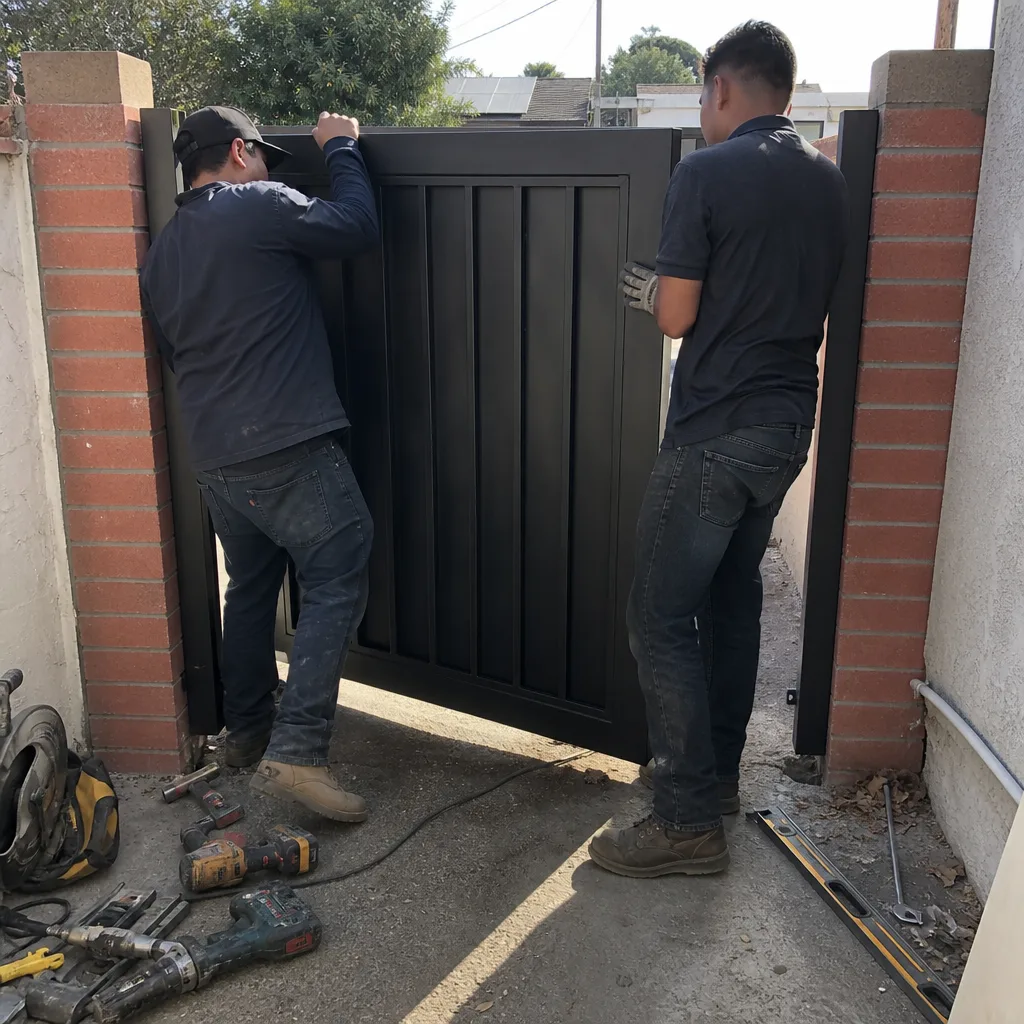
The single most useful thing a Torrance homeowner can do for their gate is keep a simple log. This is not a complex document. A notebook in the garage or a note on your phone works fine. The key is consistency: every time you notice something, write it down.
What to record:
- Date of observation
- What you observed (gate slows in the afternoon, gate fails to open after foggy morning, gate scrapes at full close)
- Weather conditions at the time of observation (hot, foggy, windy, rainy)
- What you did about it (cleaned photo-eyes, tightened hinge bolts, called a technician)
The value of the log reveals itself in year two or three. You start to see patterns: every June, the gate fails on foggy mornings. Every October, it binds after the first wind event. Every January, there’s condensation inside the control box. Those patterns tell you which components are wearing and when they’re likely to fail again. You can replace a part preemptively in April instead of waiting for it to fail in June.
This gate-log habit is the homeowner’s version of what we do professionally. Every gate we service in Torrance gets a documented record: photos of the found condition, the measurements we took, the adjustments we made, the parts we installed. That record comes with every visit, and it’s filed in the job record so that any future service call starts with full knowledge instead of guesswork.
Common Mistakes to Avoid
- Ignoring intermittent failures. A gate that “sometimes” doesn’t open is not a mystery; it’s a component in early failure. In Torrance’s marine layer months, intermittency almost always traces to moisture or corrosion. Document it and act before it becomes permanent.
- Using lubricants on the wrong parts. Spray lubricant on a gate’s electrical components makes corrosion worse, not better. Lubricate hinges and wheels, keep spray away from terminals, sensors, and limit switches.
- Cleaning photo-eye lenses with glass cleaner. Most glass cleaners leave a residue that attracts the same marine layer moisture you’re trying to remove. Dry cloth only, or a dedicated optical lens wipe.
- Waiting until the gate stops completely before calling. By the time a gate refuses to move, a $150 component fix has often become a $1,800 motor replacement. The warning signs are there for weeks or months beforehand.
- Powering through the Santa Ana season without an alignment check. A gate in serious misalignment is not just noisy; it’s overloading the motor on every cycle. Continuing to run it is the fastest way to burn out a perfectly serviceable operator.
- Thinking battery backup never needs testing. Backup batteries for gate operators have a service life of roughly 3-5 years. If your battery is older than that and has never been load-tested, treat it as suspect.
- Painting over the control box without checking the seal. A fresh coat of paint keeps the enclosure looking nice and can hide a failing gasket underneath. If the seal is compromised, the paint job becomes a moisture trap.
When to Call a Professional
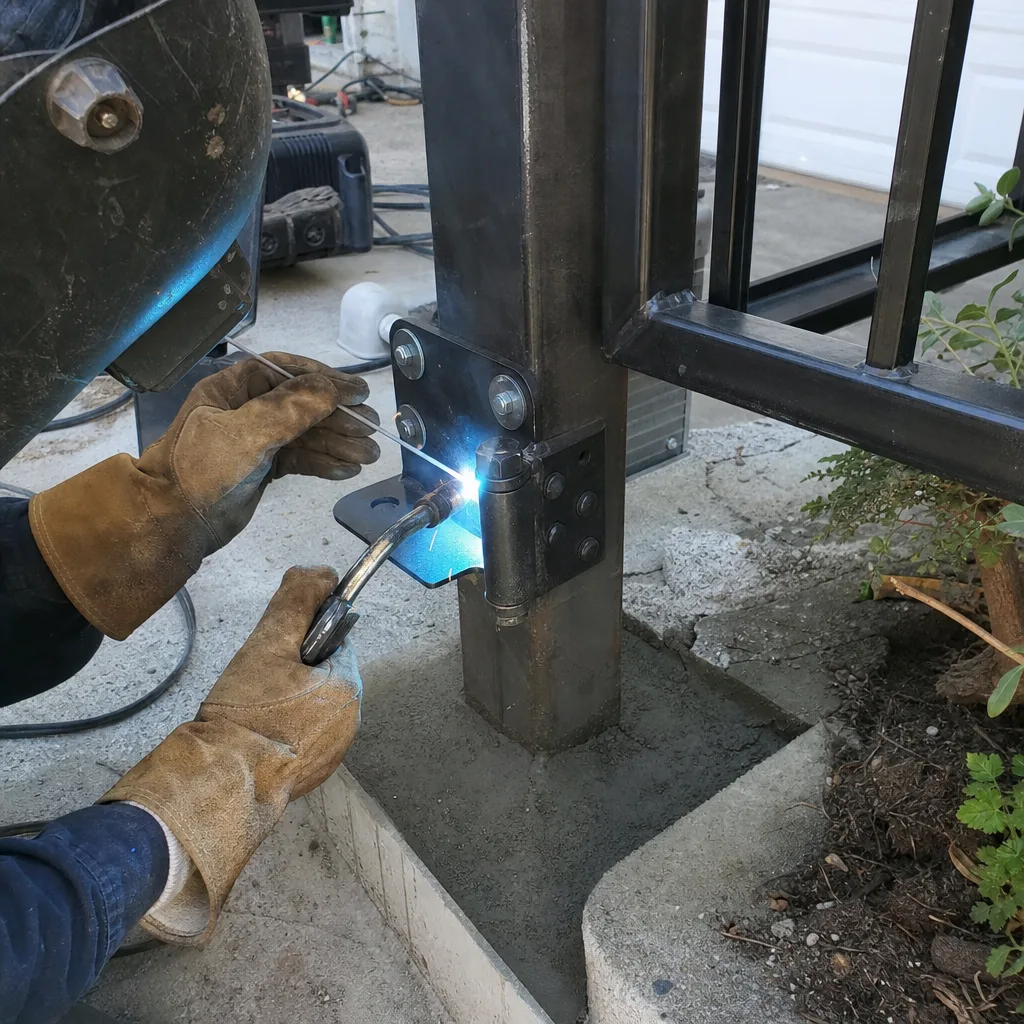
Some gate issues are safe and reasonable for a homeowner to address: cleaning photo-eye lenses, tightening visible hinge bolts, clearing debris from the gate path. Others are not. If your gate has an electrical fault that resists diagnosis, if the motor hums but won’t turn, if the gate has come off its track, or if you suspect a broken spring or welded hinge, call a technician for professional Gate Repair services. High-tension gate springs and automated gate mechanisms can cause serious injury if mishandled. That’s not a statement of caution for its own sake; it’s a reminder that automatic gates are heavy machinery, and the same rules of safety that apply to garage doors apply here.
Vance Gate Repair Torrance offers free estimates in Torrance. Call (424) 373-8425 and a live person answers, 24/7. The written price is delivered before any work starts, and you get a documented photo record of everything found and everything done before we leave.
Frequently Asked Questions
Seasonal gate maintenance in Torrance typically runs between $150 and $400 per visit, depending on what’s needed. A basic terminal cleaning, photo-eye adjustment, and hinge lubrication is on the lower end. A visit that includes replacing seals, resetting limit switches, and aligning the gate is on the higher end. The exact price is written down and given to you before any work begins. Call (424) 373-8425 for a free estimate on your specific gate.
Yes. The sustained high humidity of June Gloom accelerates electrolytic corrosion on terminal connections and control boards. Homes closer to the coast, particularly in Southwood and Seaside Ranchos, see this corrosion earlier and more severely than homes further inland in Torrance. The damage is usually gradual, showing up first as intermittent gate failures on foggy mornings, then as permanent faults.
Yes. Cleaning photo-eye lenses is straightforward: wipe each lens with a dry microfiber cloth, removing any visible film or moisture residue. Do not use cleaning chemicals. If cleaning doesn’t resolve the issue, the misalignment is probably mechanical and needs a technician’s adjustment.
If your gate works in the morning but fails on hot afternoons, the likely cause is thermal stress on capacitors or motor windings. If it fails on foggy mornings and works after the sun burns through, the likely cause is moisture-related corrosion or condensation on electrical components. Either pattern is worth documenting in a gate log so a technician can match the timing to the component.
Cut power to the gate operator at the breaker or disconnect switch, then cycle the gate through a full open and close. If it completes both cycles at normal speed, the battery is functional. If it’s sluggish, stops mid-travel, or doesn’t operate at all, the battery has degraded and should be replaced before the rainy season. This test is part of our pre-El Niño checklist for Torrance gates.
Yes. We service LiftMaster, FAAC, BFT, Linear, Viking, Ghost Controls, DoorKing, Elite, and Mighty Mule systems, among others. We repair the motor that’s already on your property rather than steering you toward a replacement unless the motor has genuinely reached the end of its service life. Call (424) 373-8425 for an honest assessment and a written price before any work starts.
The Bottom Line
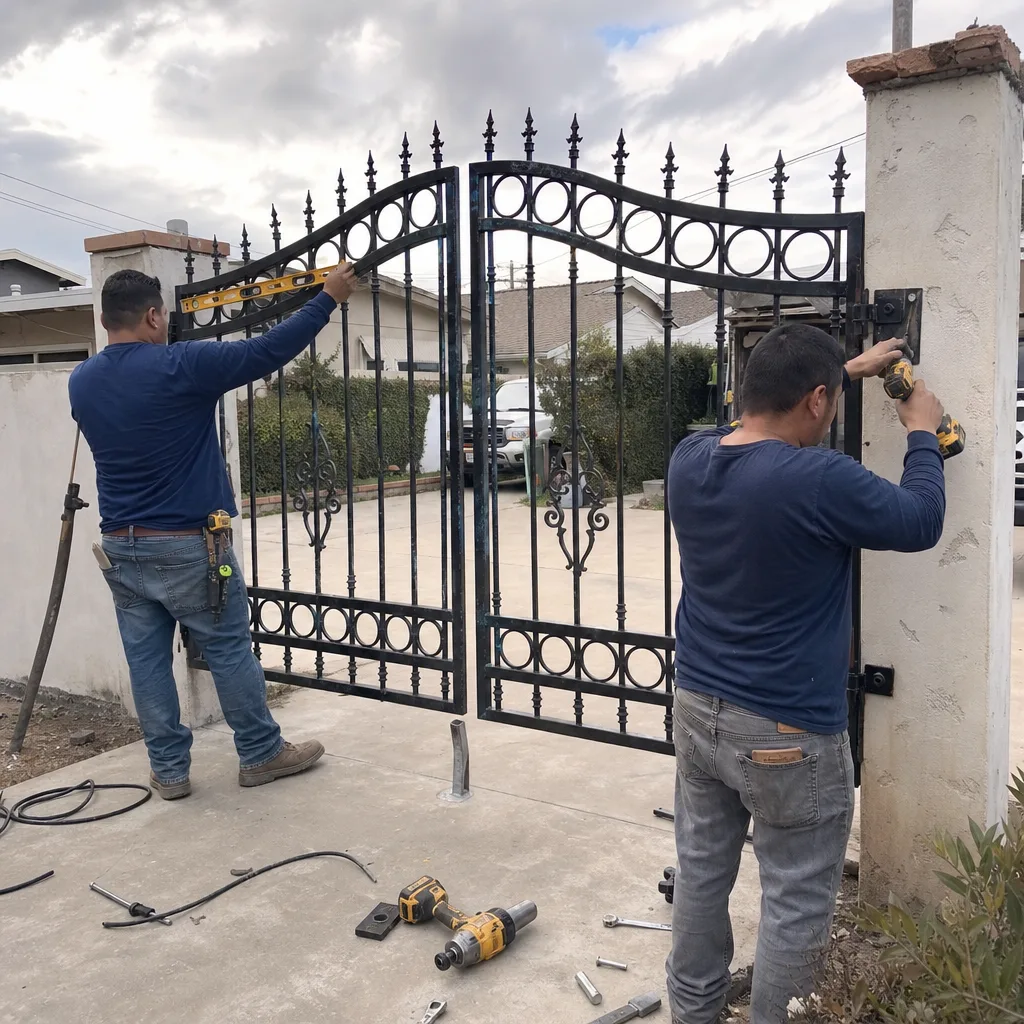
Torrance’s weather looks mild on a calendar and isn’t mild at all on the components bolted to your driveway. June Gloom corrodes terminals. August heat kills capacitors and seals. October Santa Anas knock gates out of alignment. Each stress period has a specific signature, a specific set of checks, and a specific window where intervention is cheap. A thirty-minute check in May, August, and October prevents most seasonal gate failures, and a simple gate log turns years of anecdotal frustration into a clear maintenance roadmap. If you’d rather not do the checking yourself, our Vance Gate Repair Torrance home page has everything you need to get started, or you can reach us directly at (424) 373-8425 for a free estimate.
Written by Adrian Vance, Owner at Vance Gate Repair Torrance, serving Torrance since 2014. Explore more guides & resources on gate maintenance and repair.