
Last updated September 20, 2026
Free on-site gate assessment - hinges, posts, and your LiftMaster or Nice gate operator checked before anything is quoted
The assessment is free and the quote is the invoice.

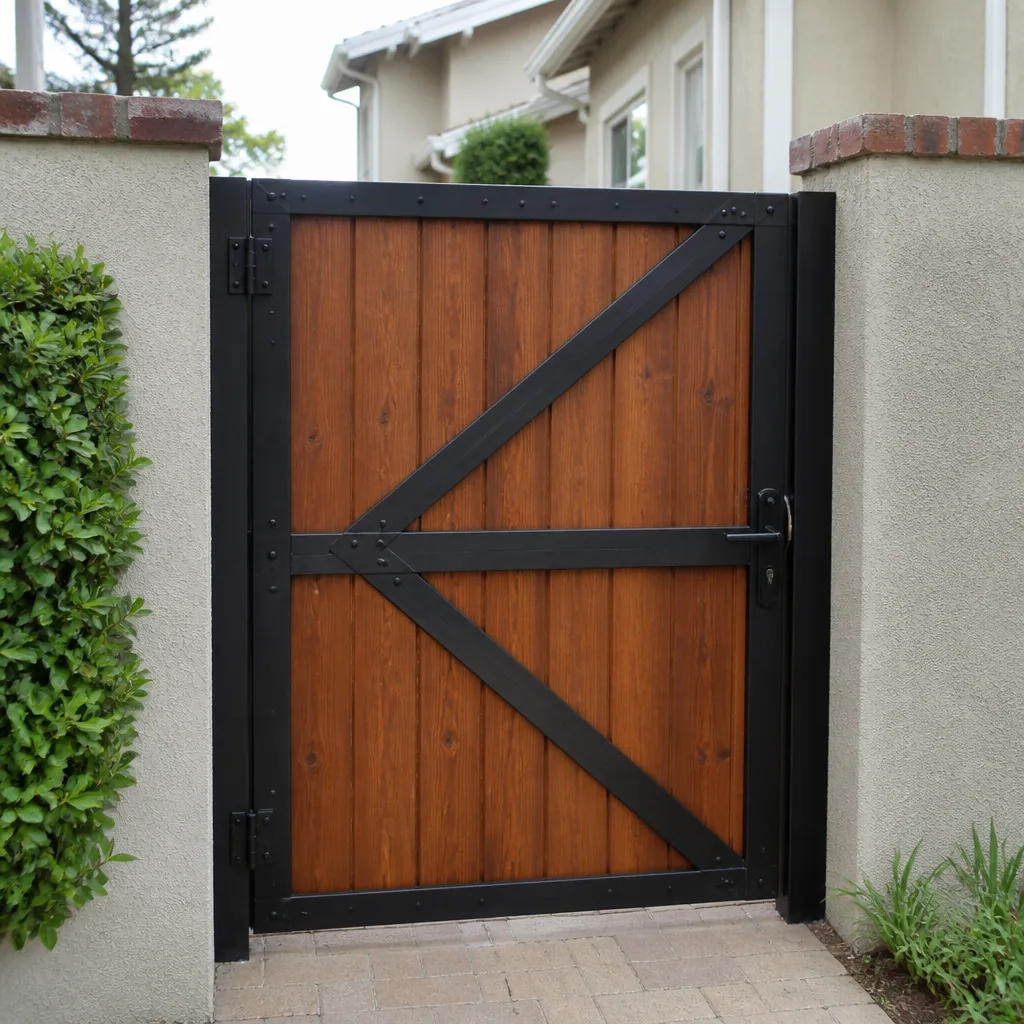
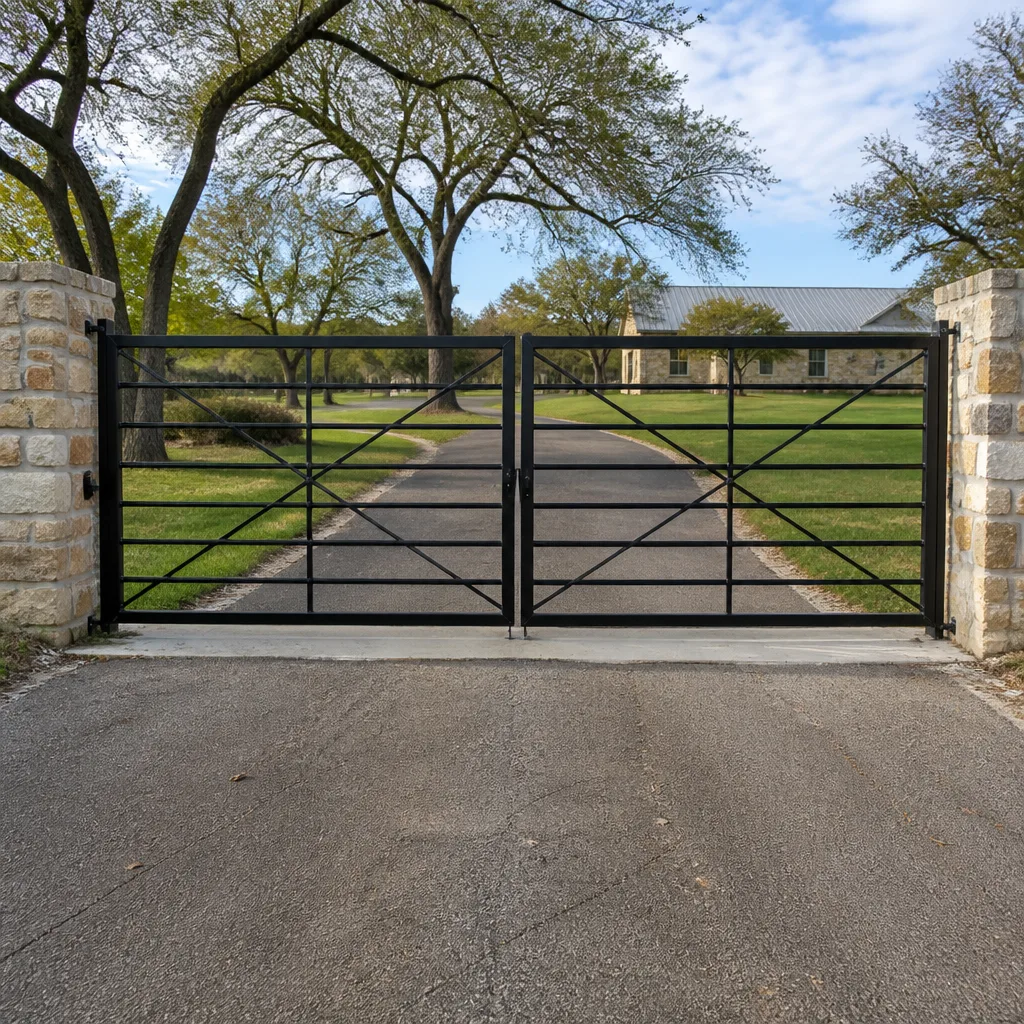
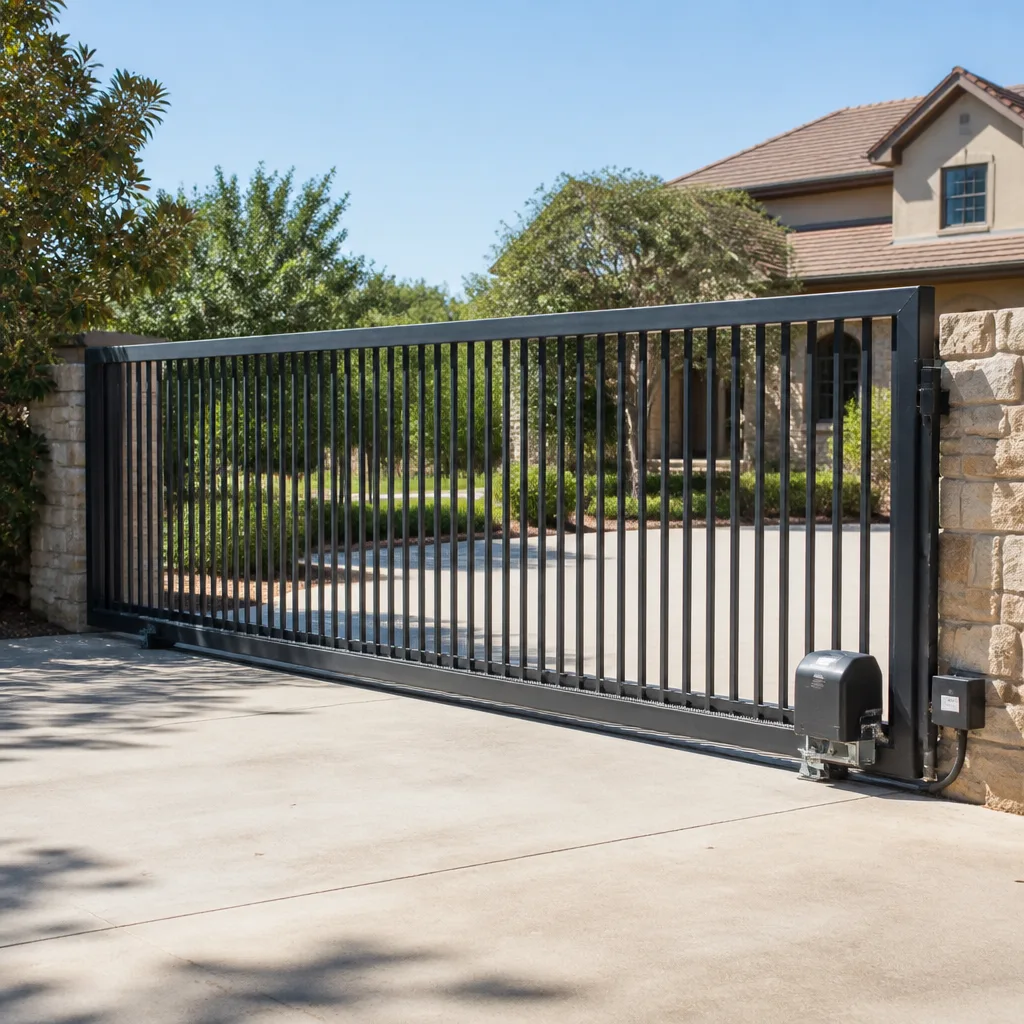
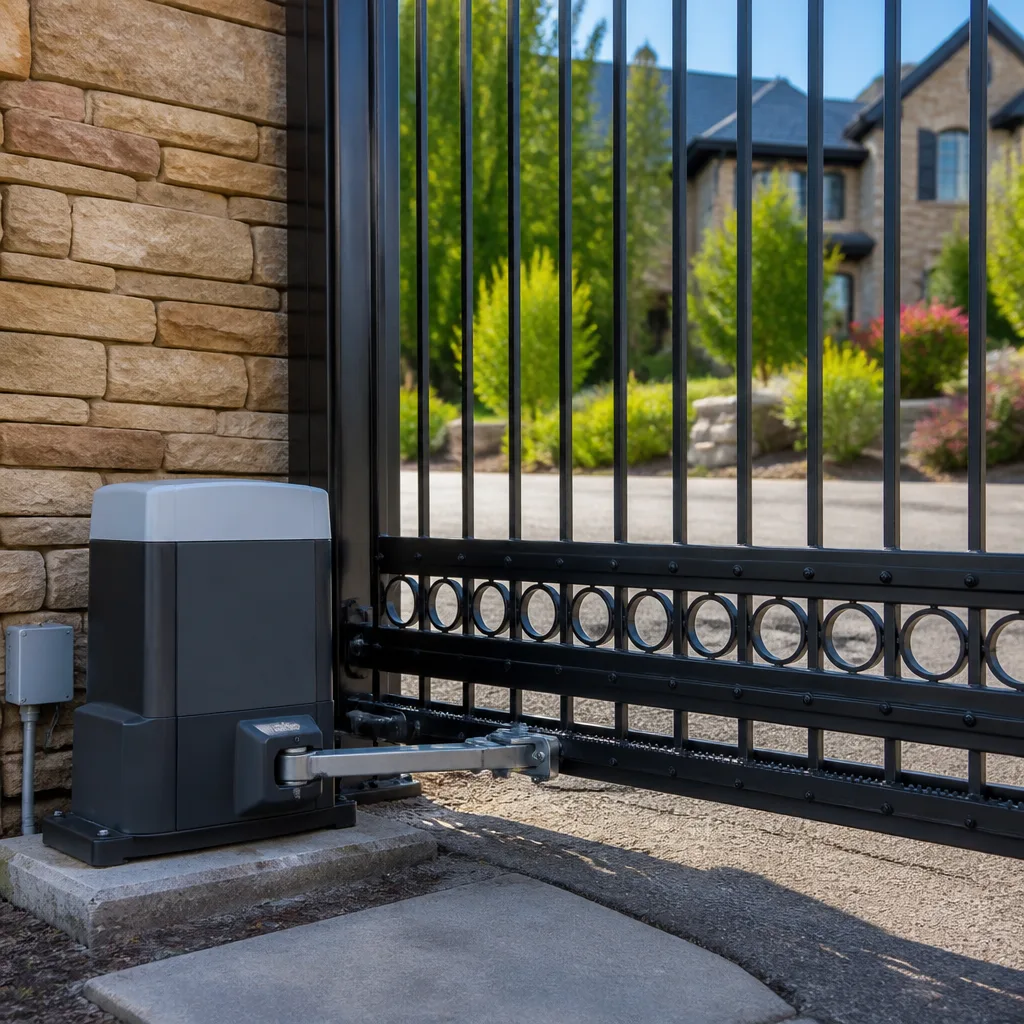
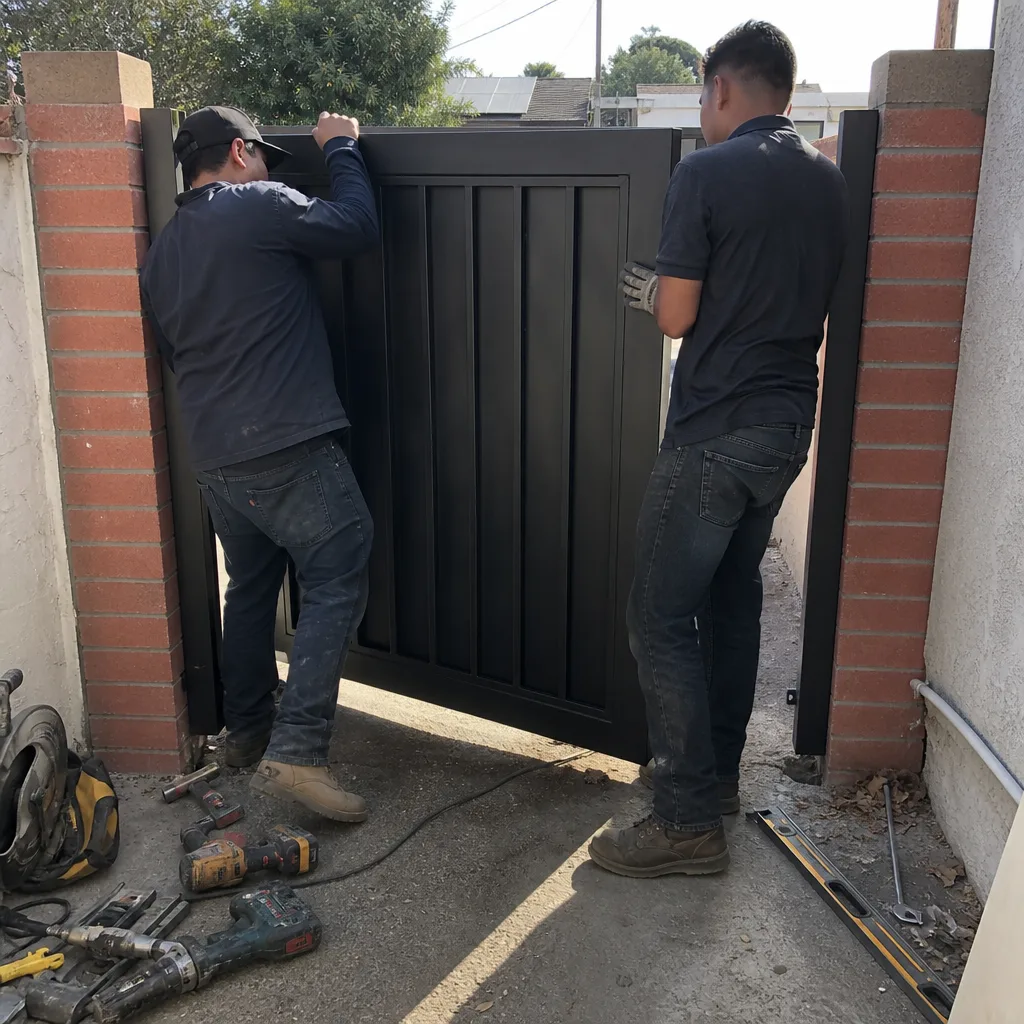
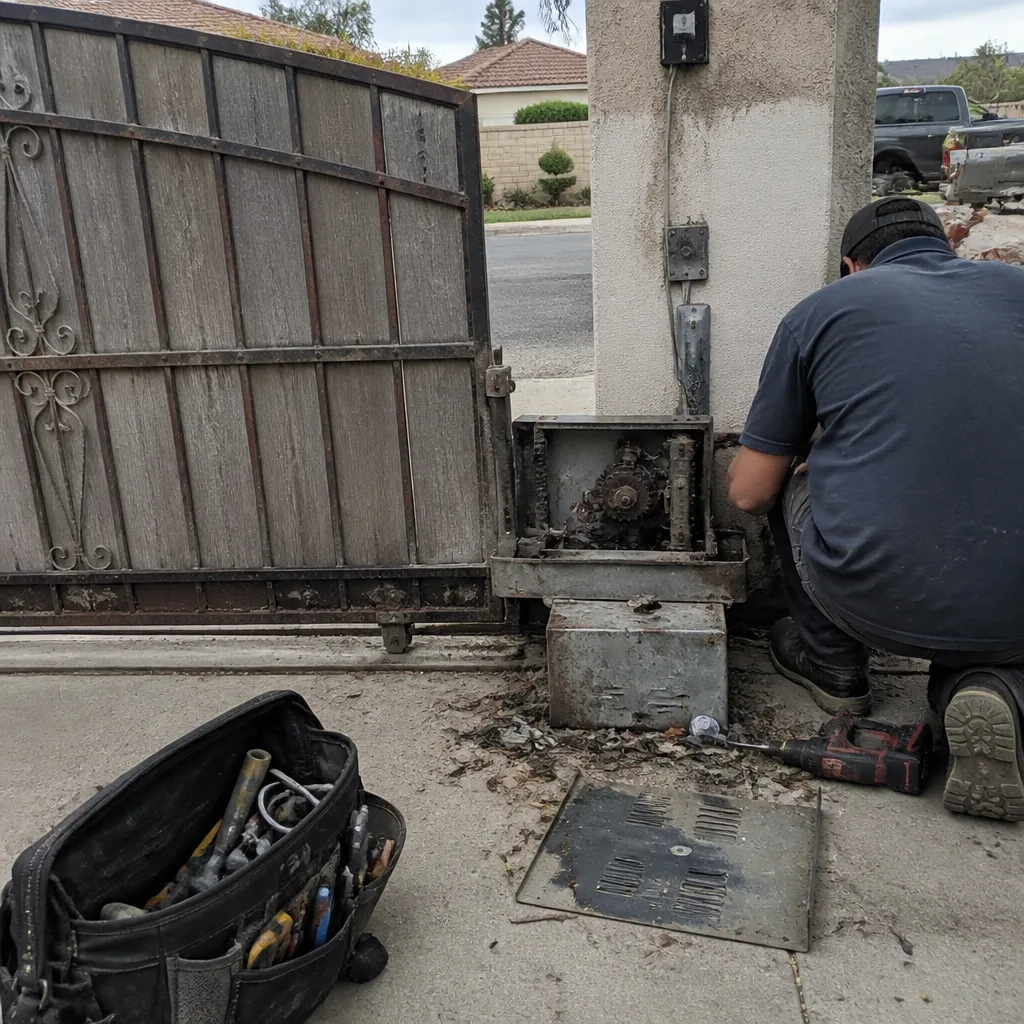 Before
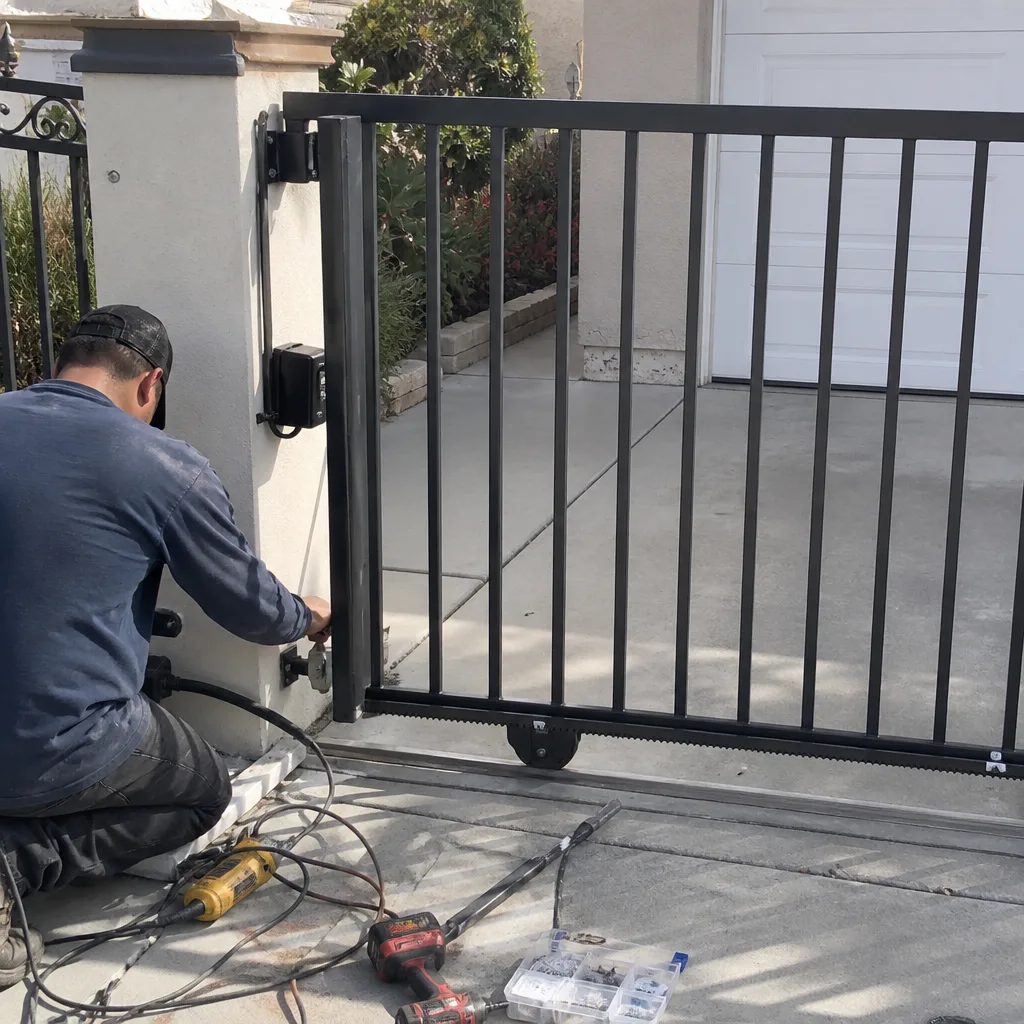 After
After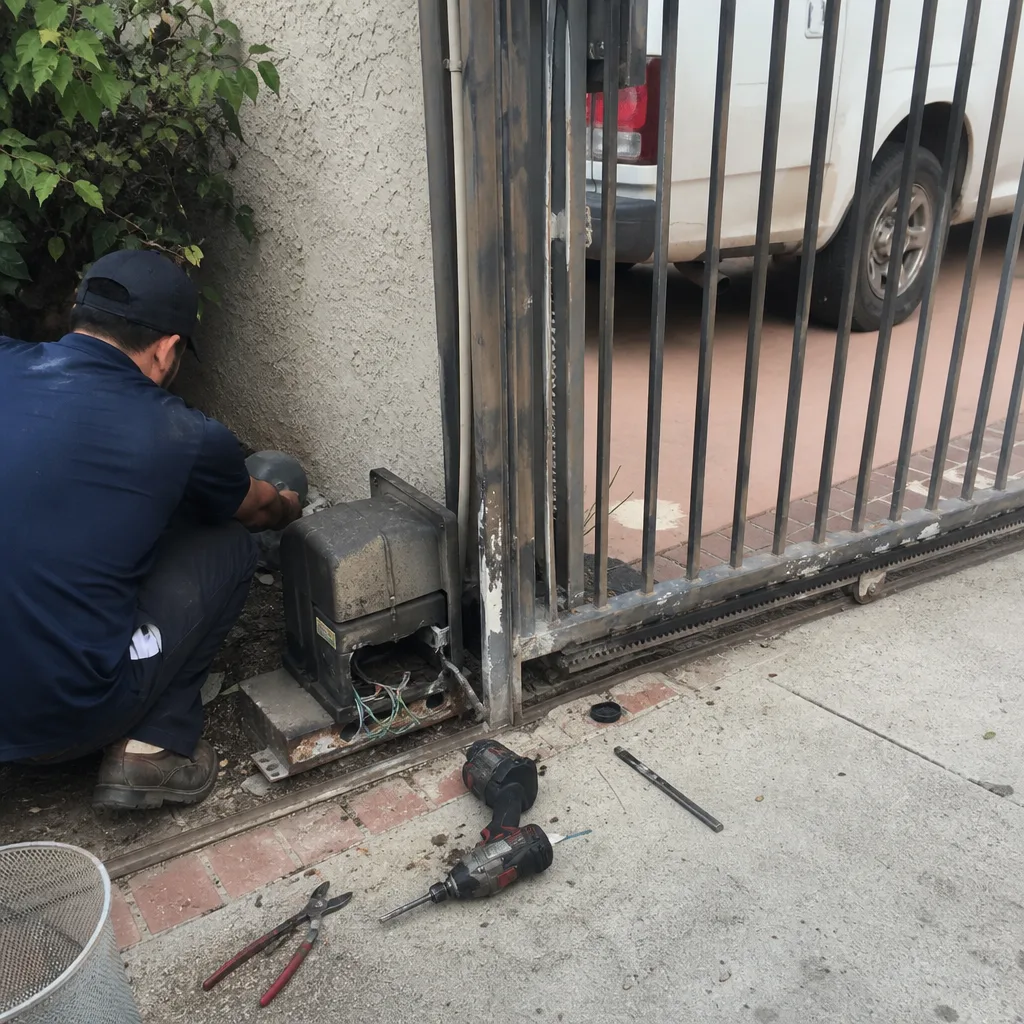 Before
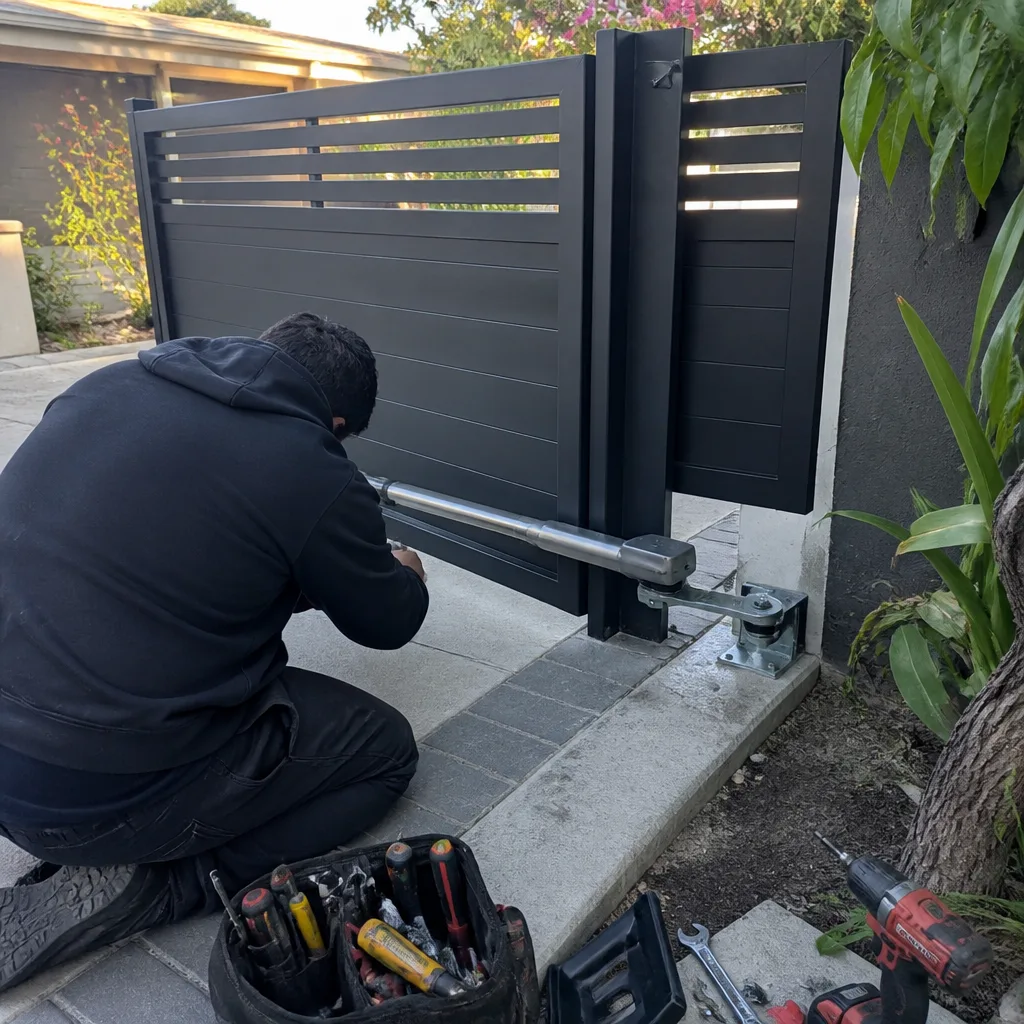 After
After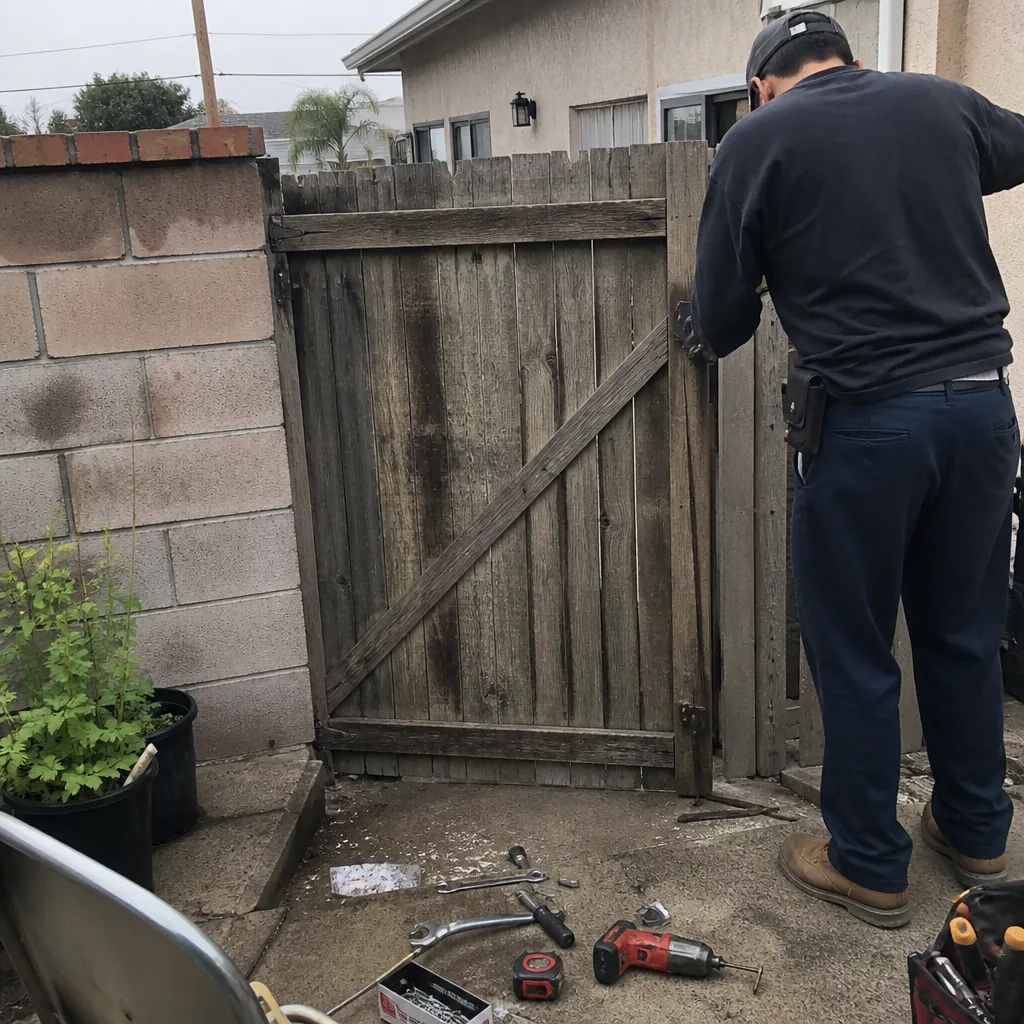 Before
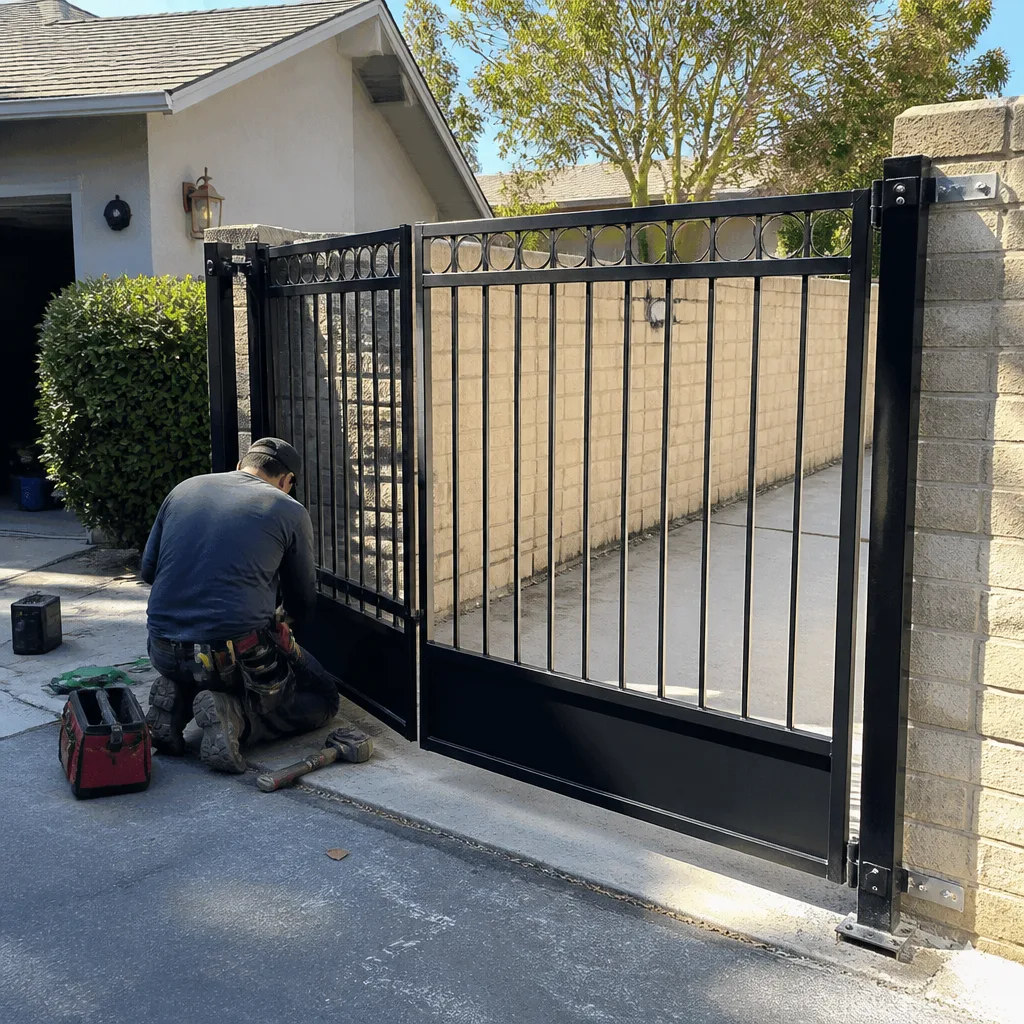 After
AfterGate Repair Permits, Codes & Inspections in CA: What You Need to Know
Most homeowners assume building permits apply only when a new gate goes in the ground. The assumption is wrong, and in California it can be an expensive one. State law draws the permit line through the automated drive system, not the gate itself. Replace a swing arm bracket or weld a cracked hinge and no one at the building department cares. Replace the operator, rewire the control board, or modify the entrapment protection, and Title 24 plus local Torrance ordinances may require a permit before the first wire is pulled. What follows is the plain-language version of when Torrance homeowners need a permit for gate work, what UL 325 actually demands, how to verify a contractor pulled the right paperwork, and what the liability looks like if nobody did. We’ve seen Torrance garages and driveways where an unpermitted motor swap from a previous owner became the new owner’s problem the day an insurance adjuster asked for the permit record.
Quick Answer
Our Gate Repair services in Torrance, CA require a permit when the work touches the automated drive system: replacing a gate operator, modifying entrapment-protection devices, or changing the wiring to the motor. Repairs limited to mechanical hardware like hinges, brackets, wheels, or panels typically don’t. The governing rules are California’s UL 325 entrapment-protection standard and Torrance’s adopted building codes; an unpermitted operator swap can void insurance coverage for an injury claim and leave the homeowner holding the liability.
Table of Contents
- When Torrance Requires a Permit for Gate Repair
- What UL 325 Actually Mandates
- How to Verify a Contractor Pulled the Correct Permit
- The Insurance and Liability Consequences of an Unpermitted Repair
- What Inspection Involves and What You Keep Afterward
- Repairs That Never Need a Permit
- Torrance-Specific Considerations: Climate, Codes, and Enforcement
- Common Mistakes to Avoid
- When to Call a Professional
- Frequently Asked Questions
- The Bottom Line
BeforeAfterWhen Torrance Requires a Permit for Gate Repair
Torrance enforces the California Building Standards Code, which means permit triggers follow the California Electrical Code and the California Mechanical Code. The bright line is this: if the repair involves the gate operator, the control wiring, or the entrapment-protection system, a permit is generally required. If the repair only involves mechanical components that don’t carry current, it’s outside the permit scope.
Here’s the breakdown by work type:
- Permit required: Replacing an automated gate operator (swing or slide), replacing or rewiring a control board, adding or relocating photo-eyes, adding or replacing safety edges, running new low-voltage or line-voltage wiring to the operator, changing the operator from AC to DC or to a different brand with different electrical characteristics, and any modification to the gate’s travel path that affects entrapment zones.
- No permit required: Replacing worn hinge bearings, repairing a cracked weld on a steel frame, replacing gate wheels or rollers, adjusting a mechanical drop rod, replacing a gate panel or picket, painting, replacing a keyed lock that isn’t tied to the access system, and lubricating or adjusting non-electrical hardware.
- Gray zone: Replacing a battery in a solar or DC operator. Strictly, the battery is part of the drive system, but most Torrance inspectors treat a same-spec battery swap as maintenance. Swapping a Mighty Mule control board in a same-model replacement is another common gray case. When in doubt, a phone call to the Torrance Building Division takes ten minutes and settles it.
What surprises many Torrance homeowners is that “repair” triggers the permit even when the homeowner views the work as a like-for-like swap. The California Electrical Code considers the operator an electrical appliance. Install a new LiftMaster LA400 where an older LA400 sat, and the code still wants an inspection because the entrapment protection has to be re-verified under current UL 325 parameters, not the parameters in effect when the original unit was installed. Codes change. The obligation follows the new work.
What UL 325 Actually Mandates
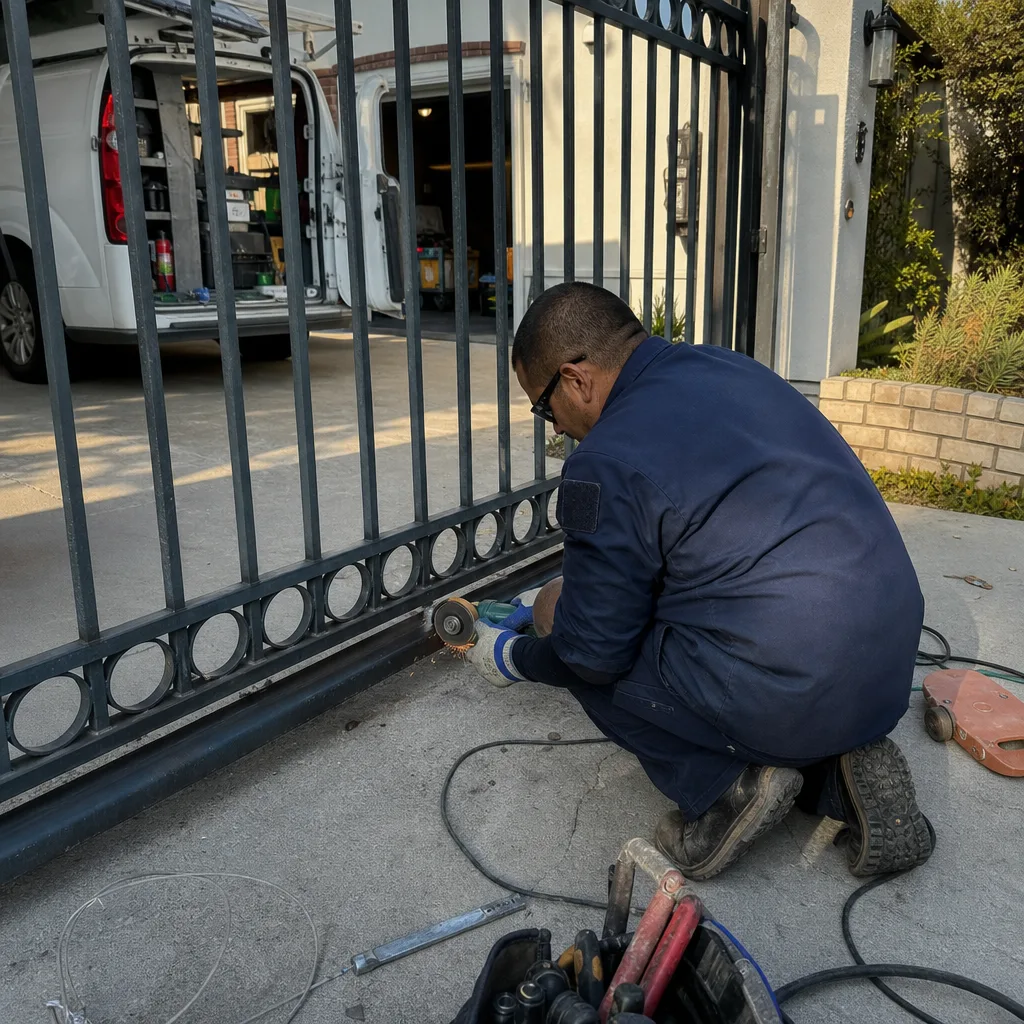
UL 325 is the safety standard for automated gates, and California enforces it through Title 24 and the California Electrical Code. The standard exists because gates killed people, most of them children. Every automated gate operator installed or replaced in California must meet UL 325 for entrapment protection, and the requirement applies to repair work that touches the drive system, not just new construction.
There are four entrapment hazards the standard addresses, and each has a mandated protection method:
- Entrapment in the gate’s path: Photo-eyes or an equivalent non-contact sensor (sometimes called an external entrapment sensor) must be installed to detect an obstruction and reverse the gate. On Torrance driveways with poor sightlines, that might mean a monitored photo-eye pair plus a reversing edge.
- Entrapment at the hinge/pinch point: A gate that swings must have guards or a design that prevents a finger or hand from entering the pinch zone where the gate meets the post. The standard allows physical guards or sensing devices.
- Entrapment at the leading edge (swing gates): The leading edge of a moving swing gate must have a contact sensor that reverses the gate when it meets resistance. On a Torrance driveway with heavy wrought-iron gates, that sensor is typically a rubber reversing edge.
- Entrapment on the track (slide gates): Slide gates require a sensing edge on the leading and trailing side, plus a guard to keep feet and hands out of the track’s pinch points.
Any gate operator manufactured after 2001 and bearing a UL 325 listing has entrapment protection built in, but the standard has been revised multiple times since. A residential operator that was compliant in 2006 may not satisfy the current sensing requirements when it gets re-installed today. That’s exactly why a motor swap triggers a permit: the inspector is there to verify the entrapment devices were installed and tested to the current standard, not the one from two decades ago. We regularly replace older FAAC and BFT operators on Torrance homes where the original install never had a photo-eye because the city didn’t require it at the time. Under a permit, that omission gets corrected.
One thing UL 325 does not require is a permit. It requires the safety devices. The permit is the city’s mechanism for enforcing that the devices are present and functional. The two are separate layers, and a homeowner can install every UL 325 device correctly and still be out of compliance if no permit was pulled and no inspection happened.
How to Verify a Contractor Pulled the Correct Permit
Asking the contractor to pull a permit is the first step. Verifying they actually did is the second. Contractors in LA County sometimes quote a permit fee and then never file the paperwork, or file for a different scope than the work performed. A homeowner who never verifies only finds this out when an insurance claim or a property sale brings it to light.
Step-by-step verification for Torrance:
- Ask for the permit number before work starts. A legitimate contractor files for the permit before or on the first day of work and can produce the application number. If the number doesn’t exist until the job is halfway done, the work started unpermitted.
- Check the LA County permit portal. Torrance permits are searchable through the Los Angeles County Department of Regional Planning permit lookup or the Torrance Building Division. Input the address and look for an active permit matching the date and scope. The portal is public; no account is needed.
- Match the scope description to the actual work. A permit that says “electrical repair” when the contractor replaced an entire gate operator with new wiring is not the correct permit. The scope description should specifically reference the gate operator, automated gate, or gate access control.
- Ask for the inspection sign-off after the job is done. The permit isn’t complete until an inspector signs off. The contractor should provide the final inspection date and the sign-off record. Keep a copy; it’s the only document that proves the work was lawfully done.
- If you pulled the permit yourself as the homeowner, the inspection is your appointment to schedule. The contractor doesn’t get to sign off for you. Verify with the inspector directly that the work passed and keep the signed card.
It takes twenty minutes to verify a permit. It takes months and real money to remedy an unpermitted install when a sale or claim happens. If a contractor in Torrance balks at any step of this, that answer is itself the answer. Any repair contractor doing permitted work in Torrance expects the verification. So get it. For homeowners considering a larger gate installation in Torrance, permit verification should be part of the written scope from day one.
The Insurance and Liability Consequences of an Unpermitted Repair
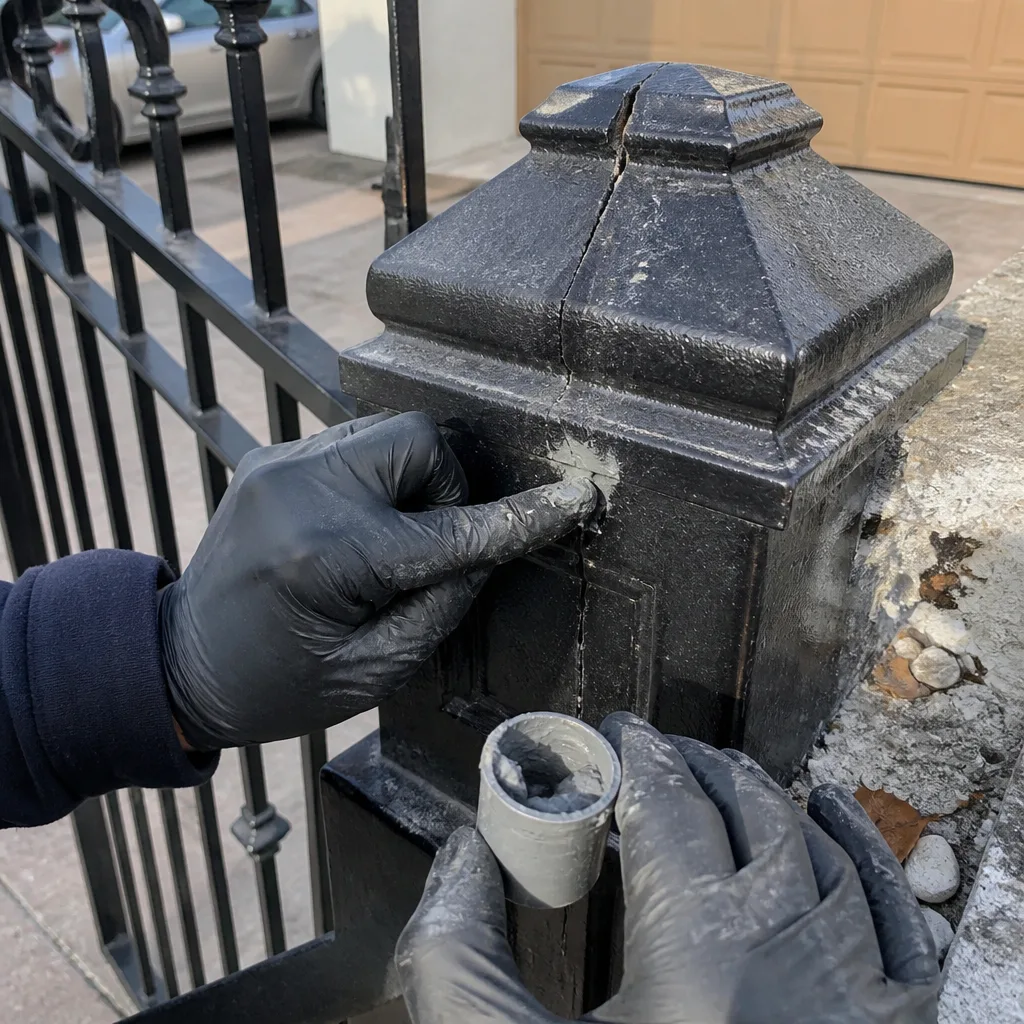
The hardest conversation we have with Torrance homeowners isn’t about a broken operator. It’s about what happens when a gate injures someone and the insurance company discovers the operator was replaced without a permit. Homeowners insurance policies in California contain exclusions for unpermitted work that leads to injury or damage, and the exclusion applies regardless of whether the homeowner knew the work was unpermitted.
Read the policy language and you’ll typically find two separate obligations: first, to comply with all building codes and ordinances, and second, to maintain the property’s systems in a code-compliant condition. An unpermitted gate operator swap violates both. The insurer’s position is common across major California carriers: an unpermitted electrical appliance is a material misrepresentation of the property’s condition, and the policy doesn’t cover losses arising from it.
What this means in practice on a Torrance driveway:
- Injury to a visitor: If a guest is entrapped or struck by a gate whose operator was replaced without a permit, the insurer may deny the liability claim and the homeowner defends the lawsuit out of pocket. Gate entrapment injuries are not minor; the medical cost can run into six figures, and that’s before any settlement or judgment.
- Injury to a child: California case law is unforgiving on gates that hurt children. An unpermitted install doesn’t just lose the insurance defense; it can be introduced as evidence of negligence per se, which means the plaintiff doesn’t have to prove the homeowner acted unreasonably, only that the code violation existed and caused the injury.
- Property damage: If the gate or operator fails and damages a vehicle, the same unpermitted-work exclusion applies to the property damage portion of the claim. The homeowner eats both the gate repair and the car repair.
- Home sale disputes: Torrance real estate transactions include a disclosure form asking whether any unpermitted work was done. Most homeowners answer no because they didn’t know. When the buyer’s inspector or an insurance underwriter flags the unpermitted gate operator later, the seller can face a non-disclosure claim. This is real, it’s increasingly common in Torrance’s competitive market, and it’s entirely avoidable with a permit.
The fix after the fact is a retroactive permit, which means exposing the work to the building department and paying for inspection, plus any corrections the inspector requires. That’s the cheap version. The expensive version is a denied claim or a judgment. From 2014 onward, every automated gate operator replacement we’ve handled in Torrance has gone through the permit channel for this exact reason.
What Inspection Involves and What You Keep Afterward
A Torrance gate operator permit inspection is a field visit where the inspector verifies two things: that the operator is installed to the manufacturer’s listed specifications, and that the entrapment protection operates as UL 325 requires. It’s not a forensic examination. It’s a checklist that takes ten to fifteen minutes to run, but the checklist has very specific line items.
Here’s what the inspector typically checks during a gate operator inspection:
- Operator listing and installation: The inspector verifies the operator is listed for the gate type and weight. A swing-gate operator on a slide gate is an instant fail. The installation must match the manufacturer’s manual for mounting, hardware, and torque settings.
- Photo-eyes and non-contact sensors: The inspector blocks the beam and confirms the gate reverses and the operator’s alarm or warning system activates. Both directions of travel get tested where applicable.
- Contact sensors (reversing edges): Where required, the inspector applies pressure to the reversing edge and confirms the gate stops and reverses within the UL 325 force limits.
- Force adjustment: The operator’s inherent force setting must not exceed the entrapment protection threshold. If the gate can overcome the sensing edge or continue past the photo-eye, the adjustment fails.
- Warning signage: California requires warning signs on both sides of the gate and on the operator. The inspector confirms they’re present and legible.
- Grounding and bonding: For line-voltage operators, the inspector confirms the unit is grounded and the circuit is properly protected. Low-voltage DC systems have their own verification points.
- Manual disconnect: The inspector confirms the manual release operates and the gate can be moved by hand without energizing the motor.
After the inspection passes, the record of sign-off becomes the homeowner’s proof. Keep three documents: the approved permit record from the Torrance Building Division, the inspection sign-off card, and the written scope of work from the contractor describing exactly what was replaced or modified. Store all three together with the operator’s manual and warranty registration. This is the paperwork package that future insurance questions and future home sales want to see.
The homeowner also gets the contractor’s documentation. Any reputable gate company in Torrance leaves a record of what was found, what was adjusted, and what was installed. It’s not a substitute for the permit record, but it’s the evidence layer that shows the permit work actually matches the physical work. On our own gate motor and opener jobs in Torrance, every visit includes that written scope and photo log under the Haven Standard’s documentation clause.
Repairs That Never Need a Permit
Most of the gate repairs Torrance homeowners call about don’t trigger any permit requirement. The gate industry is mostly mechanical work, and mechanical work on a gate is no different from mechanical work on a garage door or a fence in the eyes of the building department. If no electrical system is involved and the gate’s function isn’t being modified, there’s no permit.
Mechanical repair work that’s outside the permit scope:
- Weld repairs: Cracked frames, broken pickets, and failed hinge welds on steel or wrought-iron gates. A mobile welder can usually do these without any building department involvement, and no inspection follows. The work is structural, not electrical.
- Hinge and hardware replacement: Worn hinge bearings, broken gate hinges, bent brackets, and failed wheel assemblies on slide gates. The gate might be unsafe while broken, but the repair doesn’t create an electrical modification.
- Gate alignment and travel adjustment: When a gate sags, scrapes, or binds, the fix is often re-hanging the gate or re-shimming the hinges. If the operator’s settings don’t change, no permit is needed. If the operator is re-programmed to compensate, the scope may cross into permit territory.
- Panel and picket replacement: Matching a damaged panel or picket after a vehicle strike or weather damage. As long as the gate’s weight doesn’t change dramatically, the repair is cosmetic enough to skip the permit counter.
- Lock and latch work: Replacing a keyed lock, a drop rod, or a mechanical latch that isn’t wired to the access control system.
- Lubrication and routine maintenance: Greasing hinge pins, cleaning the track, adjusting chain tension on a slide gate. Maintenance work is explicitly outside the permit scope.
The weight question matters more than most homeowners realize. A gate that becomes 30 percent heavier from added panels or a decorative overlay changes the operator’s load profile. The original operator was sized and installed for the original gate. Add weight and the entrapment settings change. That’s when a “mechanical repair” drifts into an electrical modification. When in doubt, a gate repair in Torrance that changes the gate’s weight or travel should at least get a phone call to the Torrance Building Division.
Torrance-Specific Considerations: Climate, Codes, and Enforcement
Torrance sits in the coastal marine band of Los Angeles, which means salt air and moisture do real work on gate hardware, as detailed in our Gate Repair Warning Signs: A Torrance Homeowner’s Reference Guide. Steel gates in the Hollywood Riviera and along the coast corrode faster than the same gates twenty miles inland. Hinge pins seize, weld joints rust through, and photo-eye housings fog up from condensation. None of that triggers a permit on its own, but the marine environment shortens the service life of operators enough that Torrance homeowners replace them more often than inland counterparts, and each replacement is a permit event.
Code adoption in Torrance follows the state framework with the city’s own amendments. The city updates its building codes on the same triennial cycle as the state, and the California Electrical Code revision generally carries the newest UL 325 reference. Homeowners should expect that an operator replacement done under a permit in 2025 or 2026 will be inspected against the UL 325 language current at the permit date, not the language that governed the home’s original gate. That moving target is the single biggest reason to involve a gate contractor who does permitted operator replacements regularly.
Enforcement in Torrance is complaint-driven for existing work but permit-driven for new work. A gate operator swap that happens without a permit may go years without anyone noticing. Then the homeowner lists the house, or the neighbor files a complaint after a gate noise dispute, or a fire inspector walks the property for an unrelated matter and sees the unpermitted electrical work. The retroactive permit process is more expensive than the original permit, and it happens on the code cycle’s current standards, not the standards in effect when the work was done. A Torrance homeowner who skipped the permit in 2019 and gets flagged in 2026 may have to bring a seven-year-old install up to 2026 requirements.
The practical play in Torrance: pull the permit before the operator replacement. The permit fee is minor compared to the cost of the operator itself, and the inspection adds a day or two to the schedule. The alternative is a liability tail that follows the home through every future insurance renewal and sale. No one in Torrance’s coastal neighborhoods has ever told us they regretted a permit.
Common Mistakes to Avoid
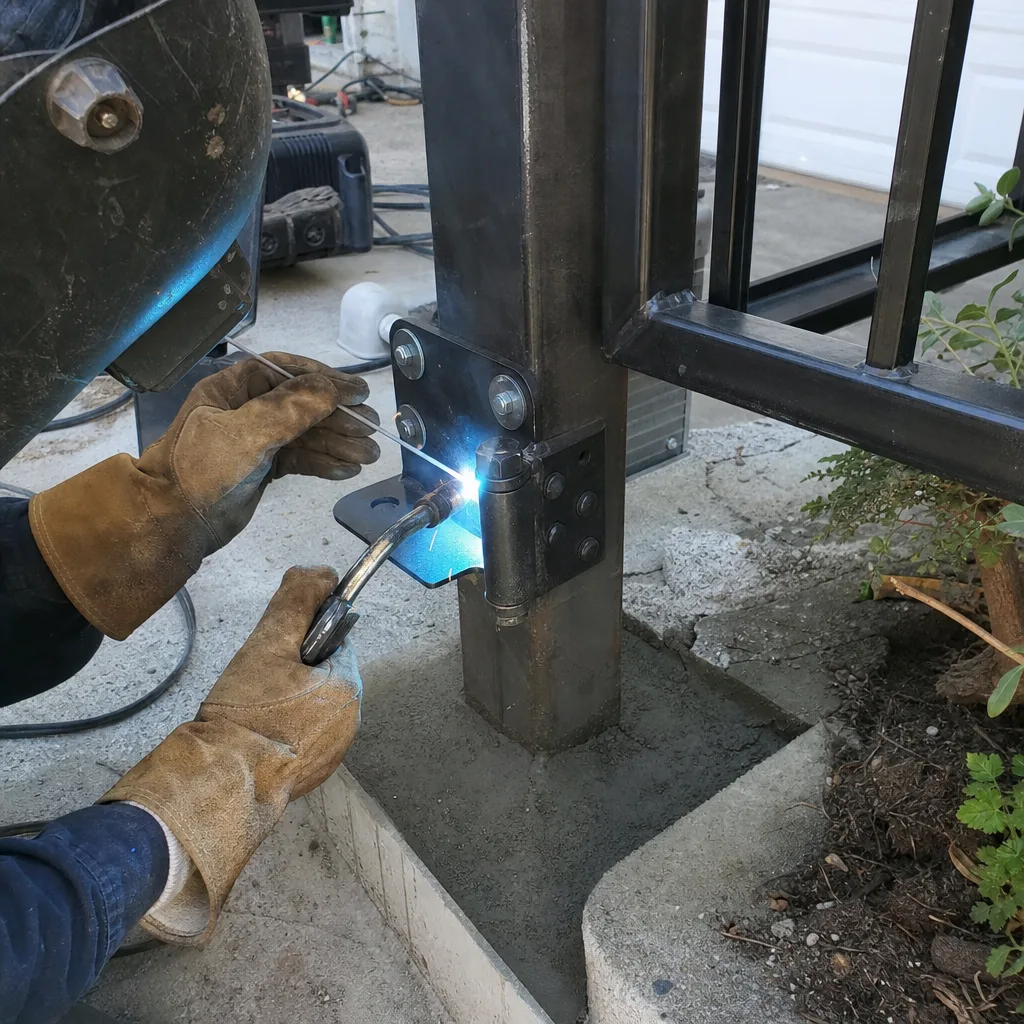
- Assuming a like-for-like motor swap is exempt. It isn’t. California codes treat an operator replacement as new electrical work regardless of whether the same brand and model goes back in. A LiftMaster for LiftMaster swap still needs a permit and inspection in Torrance.
- Hiring a gate contractor who offers to do the work “without all that permit hassle.” The permit fee is a line item, not a hassle. The contractor who waives it is waiving the homeowner’s insurance protection along with it.
- Trusting a verbal confirmation that a permit was pulled. Check the permit portal. The LA County system takes five minutes, and it’s the only verification that counts.
- Skipping the final inspection because the gate works fine. The inspection is what closes the permit. An open permit with no final sign-off is almost as bad as no permit at all in an insurance claim.
- Installing a heavier gate on an existing operator without re-evaluating the setup. The operator’s force adjustments and entrapment sensors were set for the old weight. Change the weight and the UL 325 compliance changes with it.
- Replacing entrapment protection devices with generic parts. Aftermarket photo-eyes and safety edges that aren’t listed for the specific operator may work in the wiring sense and fail in the code sense. Inspectors in Torrance check listings, not just function.
- Paying cash with no written scope and no permit record. When the invoice has no scope and the job has no permit, the homeowner owns every future problem alone. Every legitimate gate repair in Torrance should leave a written record.
When to Call a Professional
Any gate repair that touches the operator, the control wiring, or the entrapment protection should go through a professional with a contractor’s license and a permit track record. That means operator replacement, control board repair, photo-eye installation, safety edge replacement, and any job where the gate’s automated drive system is being modified in any way. These are not DIY tasks; the electrical work can kill, and the liability exposure is real. If the gate is automated and the repair involves wires, call someone who does this every day.
A gate that can’t be moved safely is another professional call, as is any repair where the gate’s weight or travel path changes. If the diagnosis isn’t obvious, that’s the time for a written evaluation. Vance Gate Repair Torrance offers free estimates in Torrance with a written price before any work starts. Call (424) 373-8425 and talk to a live person, any hour.
Frequently Asked Questions
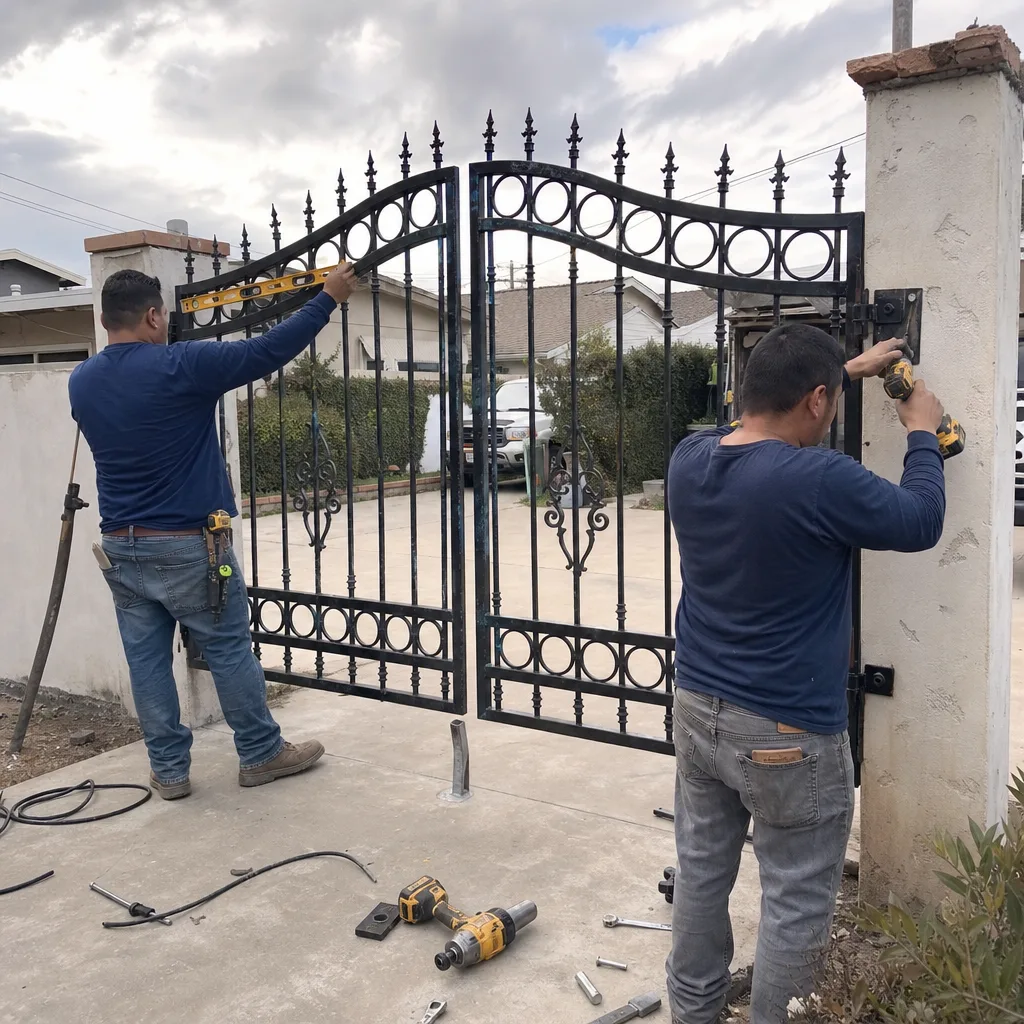
A permit is required in Torrance when the repair modifies or replaces the automated drive system: the operator, control board, wiring, photo-eyes, or safety edges. Mechanical repairs to hinges, wheels, welds, and panels don’t require a permit. If you’re unsure where your repair falls, call the Torrance Building Division with the specific work scope, or call (424) 373-8425 and we’ll tell you straight.
Permit fees in Torrance for an electrical appliance like a gate operator typically run a few hundred dollars, with the exact amount depending on the valuation of the work and current fee schedules. The inspection is included in the permit fee. The far bigger cost is skipping the permit: a denied insurance claim after an injury can be six figures, plus the retroactive permit cost and corrections. Call (424) 373-8425 for a written estimate on a permitted operator replacement.
UL 325 is the safety standard for automated gates, and California enforces it through the California Electrical Code. It mandates entrapment protection: photo-eyes, reversing edges, and force limits that stop and reverse the gate before it injures someone. Every operator replacement or modification triggers the standard, and the inspection verifies compliance. A repair that lacks UL 325-compliant protection is both unsafe and uninsurable.
A homeowner can pull a permit and install a gate operator in California, but the work must still pass inspection against UL 325. Most homeowners lack the test equipment to verify force thresholds and sensor function, and a failed inspection means paying to have the work corrected. Given the entrapment risk and the liability exposure, a licensed gate contractor is the safer route, and the permit process is the same either way.
A gate operator inspection in Torrance takes ten to fifteen minutes once the inspector is on site. The checklist covers operator listing, photo-eye function, contact sensor function, force adjustment, warning signage, grounding, and the manual disconnect. The scheduling wait varies with building department volume; expecting a few days to a couple of weeks between permit issuance and inspection is realistic. Call (424) 373-8425 and we’ll coordinate the inspection as part of the written scope.
Keep the approved permit record from the Torrance Building Division, the inspection sign-off card, the contractor’s written scope of work showing what was replaced or modified, and the operator’s manual with warranty registration. Store them together. These four documents answer every insurance, sale, and future-repair question about the gate. On every job, Vance Gate Repair Torrance leaves the written scope and a photo log of the work under the Haven Standard’s evidence clause. For more guides & resources, visit our blog.
The Bottom Line
California’s UL 325 entrapment-protection standard and Torrance’s building code requirements apply to gate repair whenever the automated drive system is touched. Replacing an operator, rewiring a control board, or modifying photo-eyes and safety edges is a permit event, and the inspection verifies the entrapment protection meets the current standard, not the standard from the home’s original install. An unpermitted operator swap doesn’t just create a code violation; it transfers the injury liability from the insurance company to the homeowner. Verify the permit was pulled, keep the sign-off and the written scope, and any future insurance claim or home sale starts from clean ground. For gate repair in Torrance done with permits, written pricing, and a documented record of the work, call Vance Gate Repair Torrance at (424) 373-8425 for a free estimate.
Written by Adrian Vance, Owner at Vance Gate Repair Torrance, serving Torrance since 2014.